
Why Do I Feel So Tired All the Time? Common Causes, Symptoms, and What to Do
Have you ever woken up after what seemed like a full night’s sleep, only to feel like you could go straight back to bed?
If you keep asking yourself, “why do I feel so tired all the time?“, you’re not alone. Occasional tiredness is normal, especially after a busy day, poor sleep, stress, or intense physical activity. But when low energy becomes a regular part of your life, it is worth paying attention to.
Feeling tired all the time can be linked to something as simple as poor sleep, dehydration, an unbalanced diet, or too little physical activity. However, persistent fatigue can sometimes be associated with conditions such as anemia, thyroid problems, diabetes, sleep disorders, depression, anxiety, infections, or other health problems.
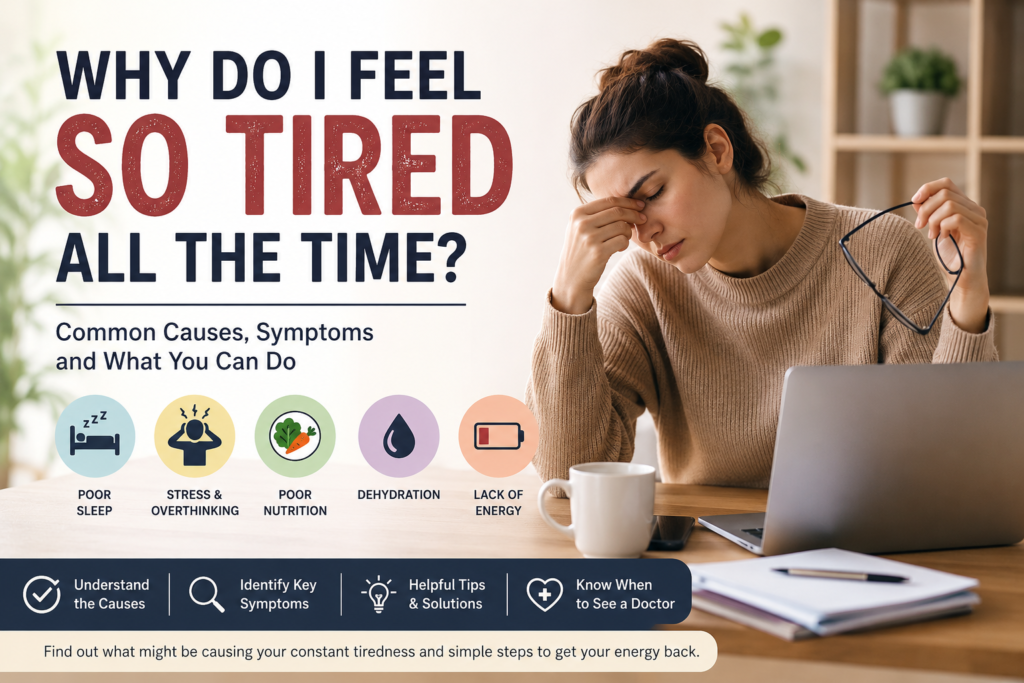
The important thing is not to assume that one particular cause is responsible. Your symptoms, lifestyle, medications, sleep habits, and overall health all matter.
Let’s look at the most common possibilities—and what you can do next.
Important: This article is for general health information and is not a diagnosis. If your fatigue is persistent, getting worse, affecting your daily life, or occurring with concerning symptoms, speak with a healthcare professional.
Table of Contents
Quick Answer: Why Do I Feel So Tired All the Time?
You may feel tired all the time because of:
- Poor-quality or insufficient sleep
- An irregular sleep schedule
- Stress, anxiety, or emotional exhaustion
- Not eating a balanced diet
- Dehydration
- Too little physical activity
- Too much physical activity without enough recovery
- Certain medications
- Iron-deficiency anemia or other types of anemia
- Thyroid problems
- Diabetes
- Sleep apnea or another sleep disorder
- An infection or illness
- Depression or other mental health conditions
- Other underlying medical conditions
Fatigue is a symptom rather than a disease itself, so finding the reason behind it is often more useful than simply trying to “boost energy.”
Tiredness vs. Fatigue: Are They the Same Thing?
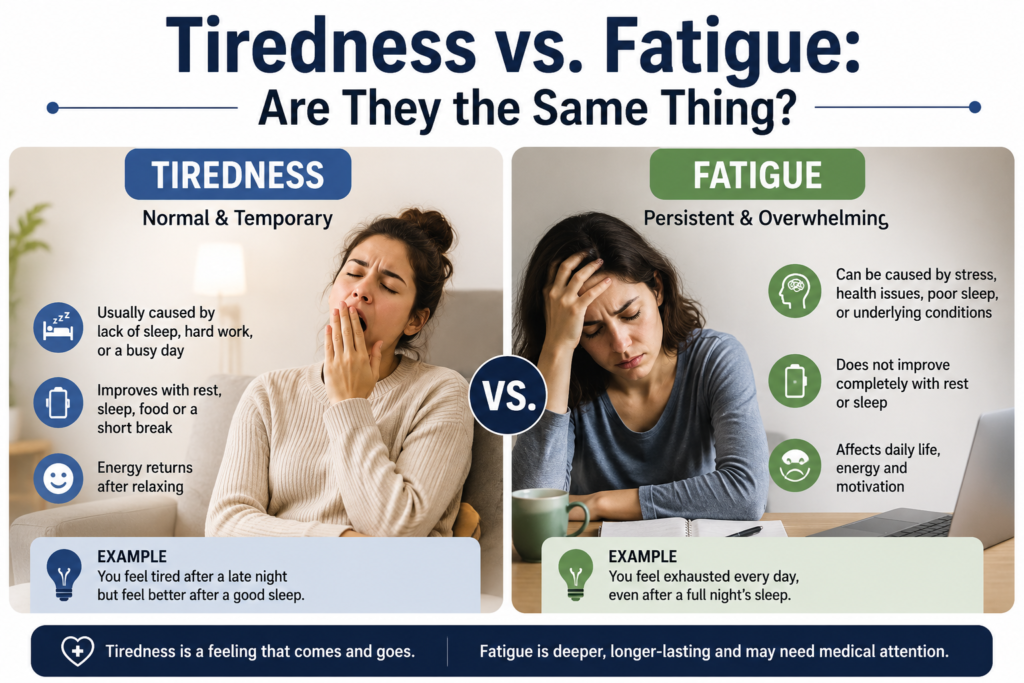
The words “tiredness” and “fatigue” are often used interchangeably, but they aren’t always experienced in exactly the same way.
Normal tiredness usually improves after you rest, sleep, eat, hydrate, or take a break.
Fatigue, on the other hand, can feel like a deeper lack of energy that doesn’t completely disappear after rest. It may affect your concentration, motivation, physical activity, and ability to complete everyday tasks.
Trigger Point: Your tiredness isn’t improving
If you have been resting properly but still feel exhausted day after day, don’t automatically blame yourself for being “lazy.”
Your body may be telling you that something needs attention.
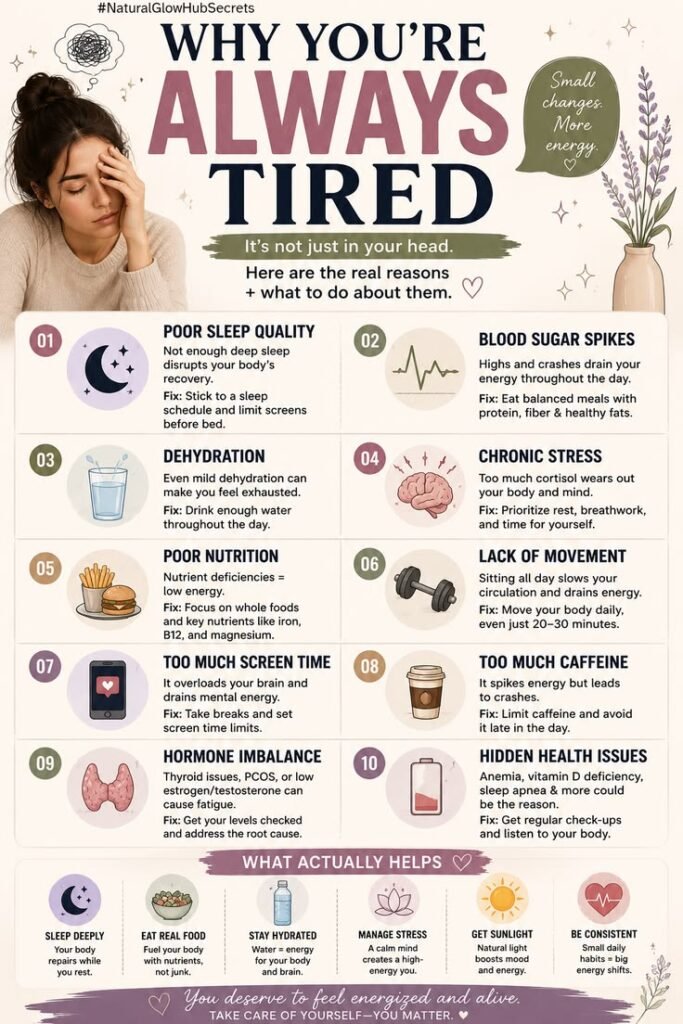
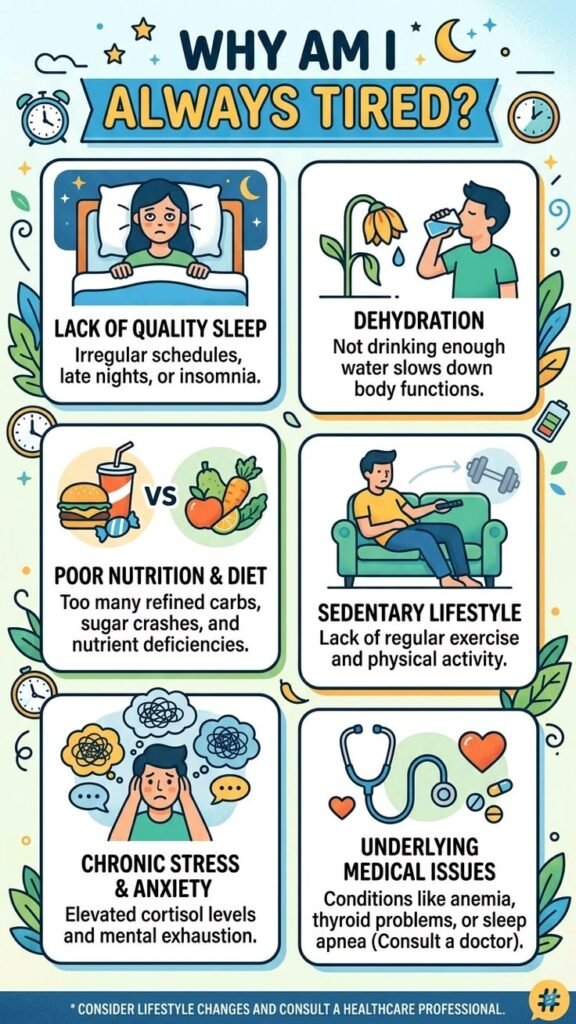
10 Common Reasons You May Feel Tired All the Time
1. You’re Not Getting Enough Quality Sleep
The first place to look is your sleep.
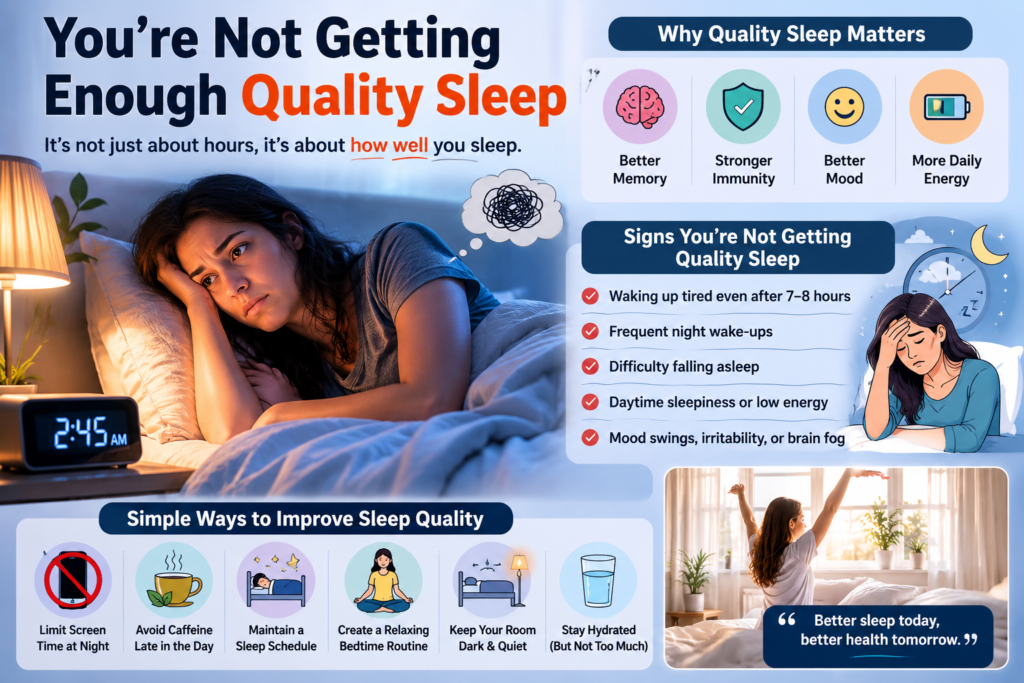
You might technically spend seven or eight hours in bed but still wake up feeling exhausted if your sleep is frequently interrupted or your sleep schedule is inconsistent.
Late-night screen use, stress, caffeine, an uncomfortable sleeping environment, and irregular bedtimes can all make good sleep more difficult.
Sleep disorders can also leave people feeling tired during the day even when they believe they are sleeping enough.
Trigger Point: You wake up tired every morning
Pay attention if you:
- Wake up repeatedly during the night
- Snore loudly
- Wake up gasping or choking
- Have morning headaches
- Feel extremely sleepy during the day
- Never feel refreshed after sleeping
These symptoms can sometimes occur with sleep disorders such as sleep apnea and deserve medical evaluation.
What you can try
Keep a consistent sleep and wake time, create a relaxing bedtime routine, and reduce stimulating activities before bed.
2. Stress May Be Draining Your Energy
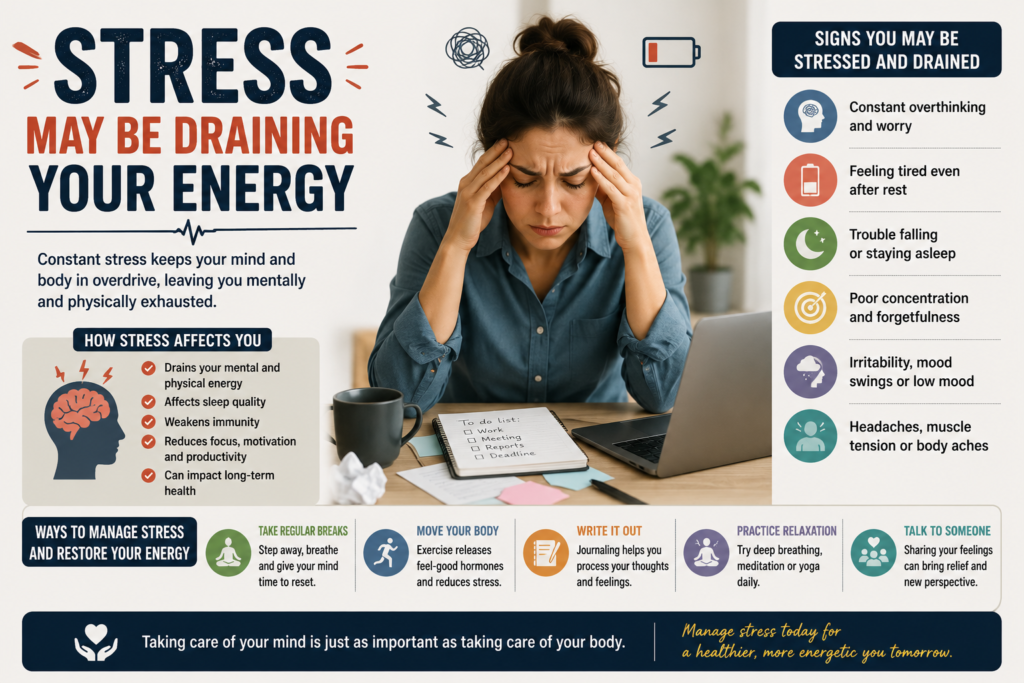
Stress doesn’t only affect your mood. Constant mental pressure can leave you physically exhausted.
Work deadlines, financial concerns, relationship problems, family responsibilities, or simply having too much on your mind can make it difficult for your body and brain to properly relax.
Stress and emotional challenges are recognized contributors to tiredness and fatigue.
Trigger Point: Your body is resting, but your mind isn’t
You may notice:
- Constant overthinking
- Irritability
- Difficulty concentrating
- Trouble falling asleep
- Feeling mentally exhausted
- Loss of motivation
In this situation, sleeping longer may not solve everything.
Try adding short periods of relaxation to your day. A walk, breathing exercises, journaling, talking to someone you trust, or simply taking a break from screens can help create space between you and daily stress.
3. Your Diet May Not Be Giving You Enough Energy
Food is your body’s fuel.
If your meals are mostly highly processed foods, sugary snacks, or refined carbohydrates and lack enough protein, fiber, fruits, vegetables, and other nutrient-rich foods, you may find it harder to maintain steady energy throughout the day.
An unhealthy or inadequate diet is one of the lifestyle factors associated with fatigue.

Trigger Point: You feel energetic briefly, then crash
Instead of relying heavily on sugary snacks or energy drinks, try building balanced meals around:
- Protein
- Whole grains or other high-fiber carbohydrates
- Vegetables
- Fruits
- Healthy fats
- Adequate fluids
Regular meals can also help you avoid long periods without food. NHS guidance notes that regular meals and healthy snacks can support energy levels.
4. You May Not Be Drinking Enough Water
Dehydration can contribute to symptoms such as dizziness and low energy.
This becomes especially important when you’re exercising, spending time in hot weather, sweating heavily, or simply forgetting to drink throughout the day.

Trigger Point: You’re tired and occasionally lightheaded
If tiredness occurs together with thirst, dark urine, dry mouth, or dizziness, consider whether you’re getting enough fluids.
However, don’t assume dehydration is always the answer. Frequent or significant dizziness deserves attention, particularly if it keeps happening.
5. You’re Sitting Too Much
It might seem strange, but doing very little physical activity can contribute to feeling tired.
When most of your day involves sitting at a desk, driving, watching television, or using your phone, you may feel sluggish even though you haven’t physically worked hard.
Regular physical activity can help improve energy over time. Even a short walk can be a useful starting point.
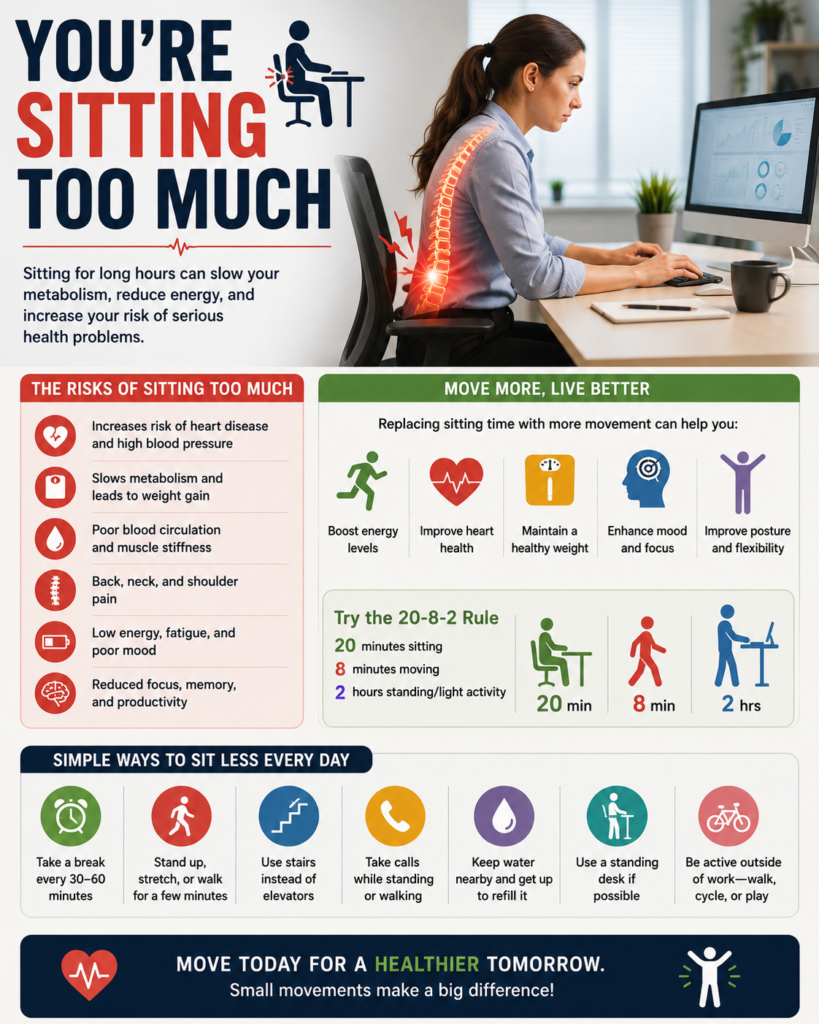
Trigger Point: You feel exhausted despite having a sedentary day
Start small.
Try:
- A 10–15 minute walk
- Stretching during work breaks
- Taking the stairs
- Standing up regularly
- Light exercise that you enjoy
You don’t need to begin with an intense workout.
6. Iron Deficiency or Anemia Could Be Involved
One important medical reason for persistent tiredness is anemia.
Iron-deficiency anemia can be associated with tiredness, low energy, noticeable heartbeats, shortness of breath, and pale skin.
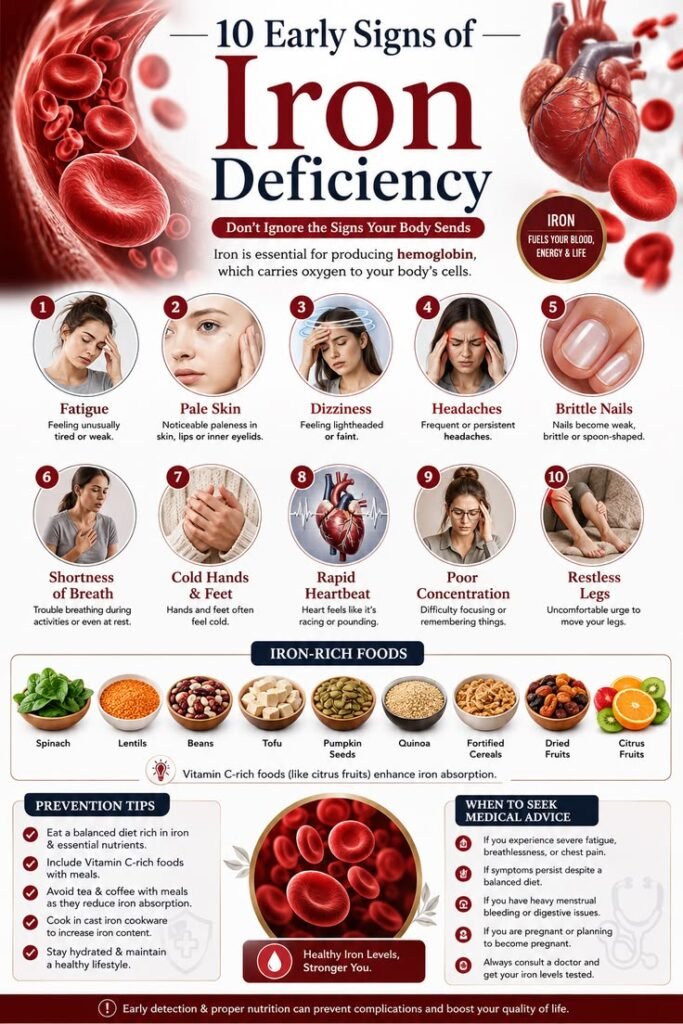
Trigger Point: You’re tired plus you feel weak or short of breath
You may also notice:
- Pale skin
- Headaches
- Fast or noticeable heartbeat
- Reduced ability to exercise
- Feeling weak
Don’t start taking high-dose iron supplements simply because you’re tired. There can be different causes of anemia, and a healthcare professional can determine whether blood testing is appropriate.
7. Thyroid Problems Can Affect Your Energy
Your thyroid helps regulate several important body functions.
Both an underactive thyroid and an overactive thyroid can be associated with fatigue, although they may cause different combinations of symptoms.
For example, NHS guidance lists tiredness among symptoms associated with thyroid disorders.
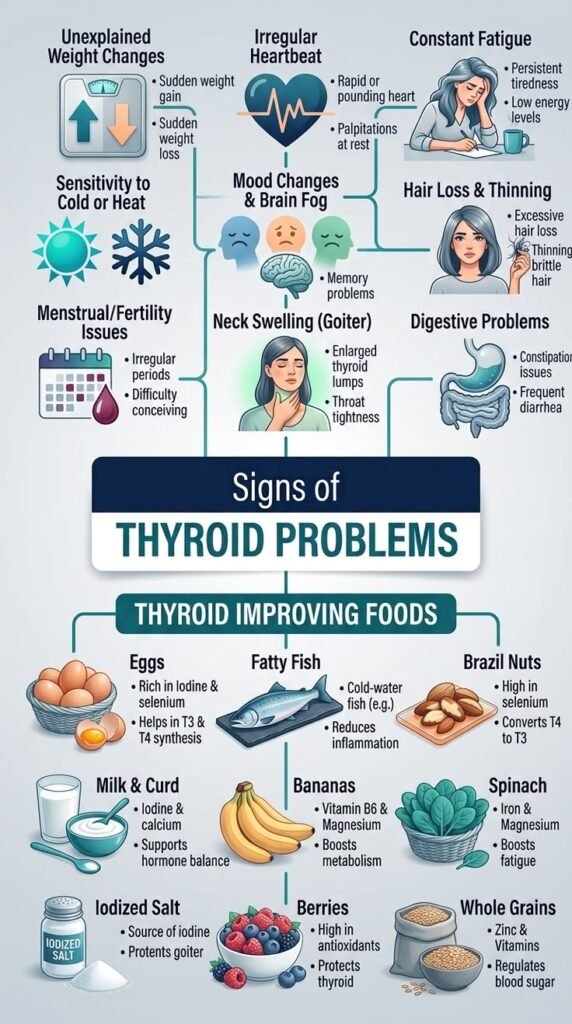
Trigger Point: Your tiredness comes with other body changes
Depending on the thyroid problem, you may notice changes involving:
- Weight
- Mood
- Heart rate
- Muscle strength
- Temperature sensitivity
- Sleep
- Appetite
If several of these changes occur alongside persistent fatigue, discuss them with a healthcare professional.
8. You May Be Dealing With a Sleep Disorder
Sometimes the problem isn’t how long you sleep—it’s the quality of your sleep.
Sleep disorders can cause daytime sleepiness and tiredness. If you regularly have difficulty getting enough sleep, don’t feel rested after waking, or feel excessively sleepy during the day, talking with a healthcare professional is recommended.
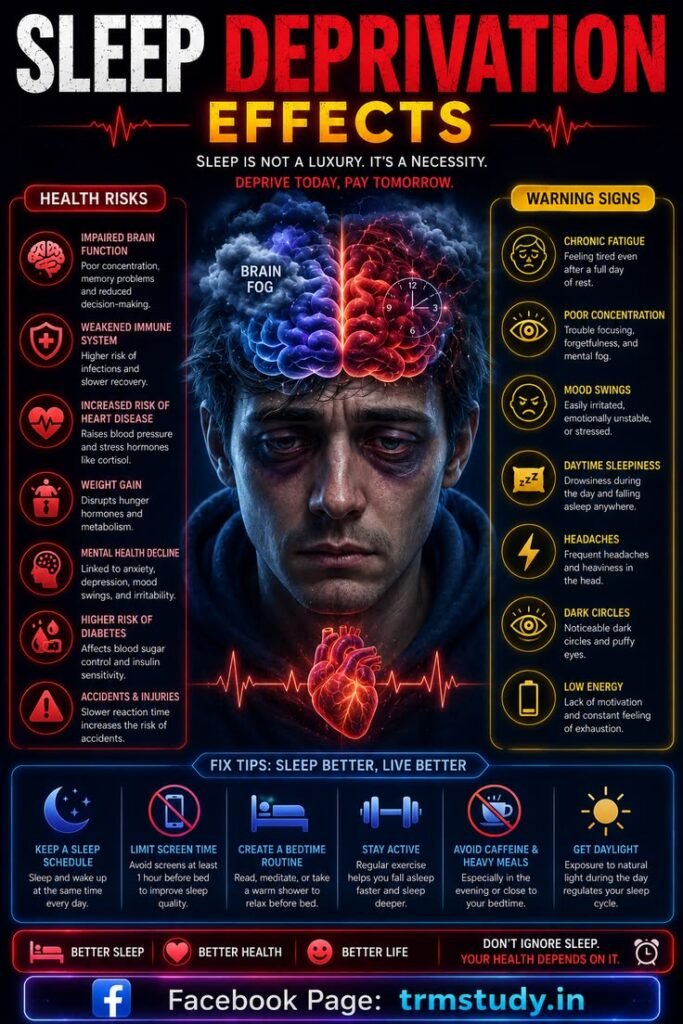
Trigger Point: “I sleep enough, but I’m still exhausted.”
This is a particularly important clue.
If you regularly sleep for an adequate amount of time but wake up exhausted, consider discussing your sleep with a doctor rather than simply increasing your time in bed.
9. Illness or Infection Can Leave You Exhausted
Your body uses energy to respond to illness and recover.
Some infections can cause significant tiredness during the illness and sometimes for a period afterward. Conditions such as COVID-19 and other infections can be associated with fatigue.
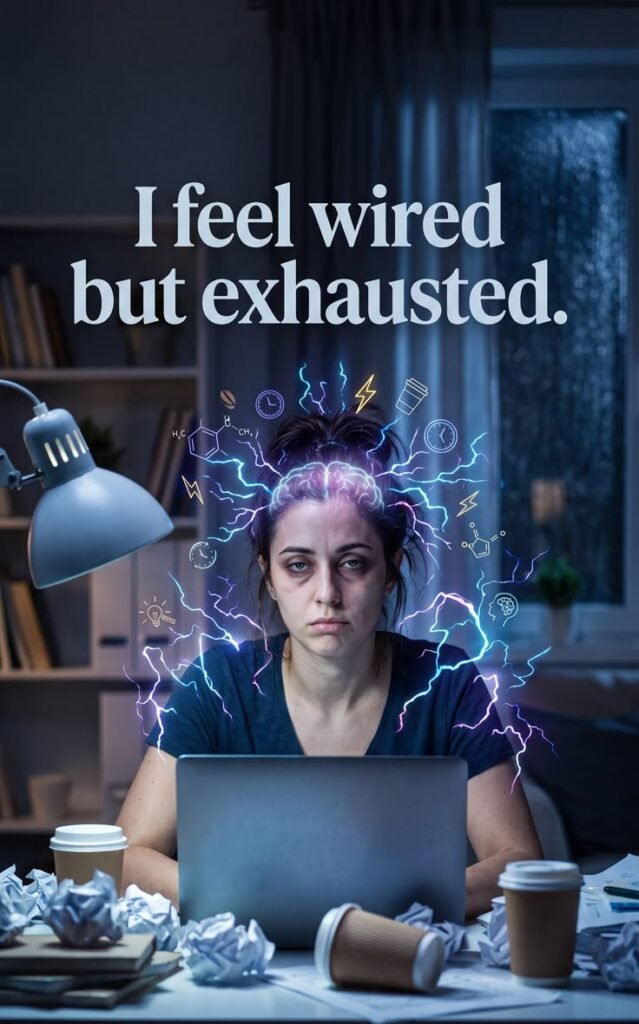
Trigger Point: Your fatigue started after being sick
If your energy hasn’t returned after an illness, give your body appropriate recovery time.
But if the fatigue is severe, persistent, or accompanied by other symptoms, speak with a healthcare professional.
10. Mental Health Can Affect Physical Energy
Sometimes the reason behind feeling exhausted isn’t primarily physical.
Depression, anxiety, prolonged stress, grief, and emotional burnout can all affect sleep, concentration, motivation, and energy.
This doesn’t mean the symptoms are “just in your head.” Mental and physical health are closely connected.

Trigger Point: Everything feels exhausting
If you have persistent low mood, loss of interest in activities you normally enjoy, significant anxiety, sleep changes, or difficulty functioning in everyday life, consider talking with a healthcare professional.
You don’t have to wait until things become overwhelming before asking for help.
Why Do I Feel Dizzy and Tired All the Time?
If you’re searching “why do I feel dizzy and tired all the time,” it’s important to consider both symptoms together.
Dizziness can mean different things. Some people describe feeling lightheaded or faint, while others feel unsteady or as though the room is spinning.
Possible causes include dehydration, low blood sugar, medication effects, anxiety, and inner-ear problems, among many others.
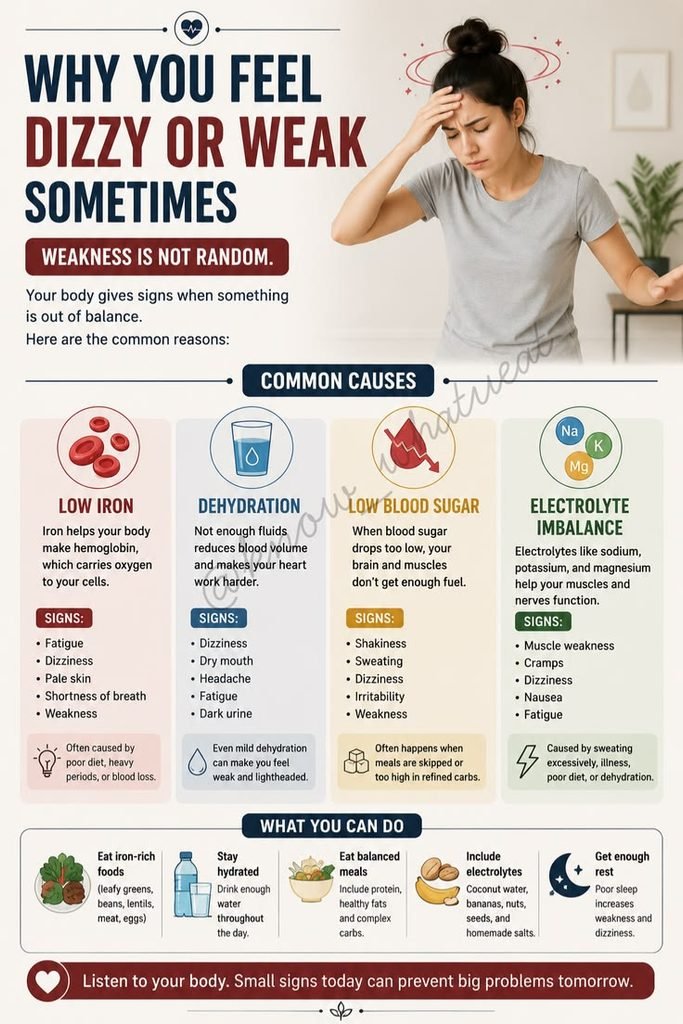
When dizziness happens with fatigue
Pay attention to when it occurs.
For example:
- Does it happen when you stand up?
- Does it happen after skipping a meal?
- Does it occur when you turn your head?
- Does it happen during exercise?
- Does it come with nausea?
- Are you taking any new medications?
Frequent or serious dizziness should be evaluated by a healthcare professional rather than repeatedly self-treating it.
Why Do I Feel Nauseous and Tired All the Time?
If you’re wondering “why do I feel nauseous and tired all the time,” there are many possible explanations.
Nausea can occur with stomach infections, migraines, motion sickness, vertigo, stress, anxiety, pregnancy, digestive problems, and other conditions.
When nausea and fatigue occur together, look at the bigger picture.
Ask yourself:
- Have you been eating normally?
- Are you drinking enough fluids?
- Have you recently been sick?
- Are you experiencing unusual stress?
- Have you started a new medication?
- Are you experiencing other symptoms?
Persistent nausea shouldn’t simply be attributed to tiredness.
Why Do I Feel Sick and Tired All the Time?
The phrase “why do I feel sick and tired all the time” can describe many different experiences.
Maybe you feel generally unwell, have low energy, feel nauseous, experience headaches, or simply don’t feel like yourself.
Because these symptoms are nonspecific, there isn’t one universal answer.
The best approach is to look for patterns.
Create a simple symptom log
For several days, record:
| What to Track | Example |
|---|---|
| Sleep | 11 PM–7 AM |
| Energy | Low in morning |
| Food | Breakfast, lunch, dinner |
| Water | Approximate intake |
| Symptoms | Nausea, headache |
| Activity | 20-minute walk |
| Stress | Low / moderate / high |
| Medications | Any regular medicines |
This information can be surprisingly useful when discussing persistent symptoms with a healthcare professional.
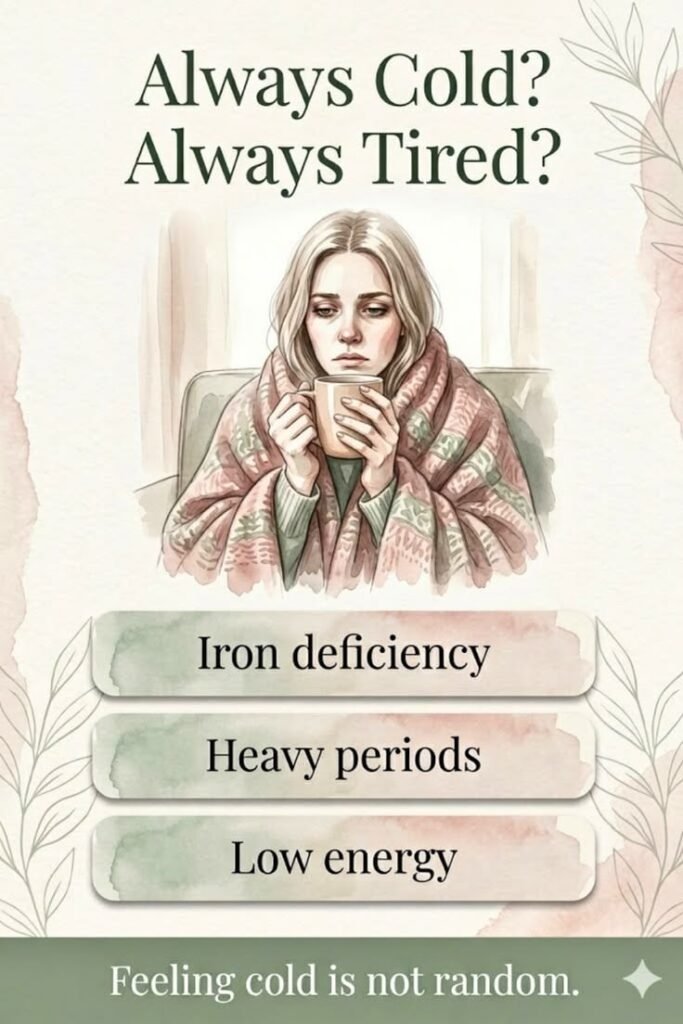
Why Do I Feel Cold and Tired All the Time?
If you’re searching “why do I feel cold and tired all the time,” don’t ignore the combination.
Feeling cold can happen for many ordinary reasons, including environmental temperature. But persistent cold sensitivity combined with fatigue may sometimes occur with certain health conditions, including thyroid problems or anemia.
Iron-deficiency anemia, for example, can cause tiredness and weakness, while thyroid disorders can also be associated with fatigue.
The key is whether these symptoms are persistent and whether other changes are occurring at the same time.
Common Symptoms That May Occur With Constant Tiredness
Tiredness can appear alongside many different symptoms.
| If You Also Have… | What It May Be Worth Checking |
|---|---|
| Loud snoring or gasping at night | Sleep quality or sleep apnea |
| Pale skin and shortness of breath | Anemia |
| Increased thirst and frequent urination | Blood sugar/diabetes |
| Weight or mood changes | Thyroid or other health factors |
| Dizziness | Hydration, blood pressure, medication, inner-ear or other causes |
| Nausea | Digestive, vestibular, medication or other causes |
| Poor concentration | Sleep, stress, mood or other health factors |
| Persistent low mood | Mental health and overall wellbeing |
| Fatigue after illness | Recovery or ongoing health issue |
This table is not a diagnostic tool. The same symptom can have many different causes.
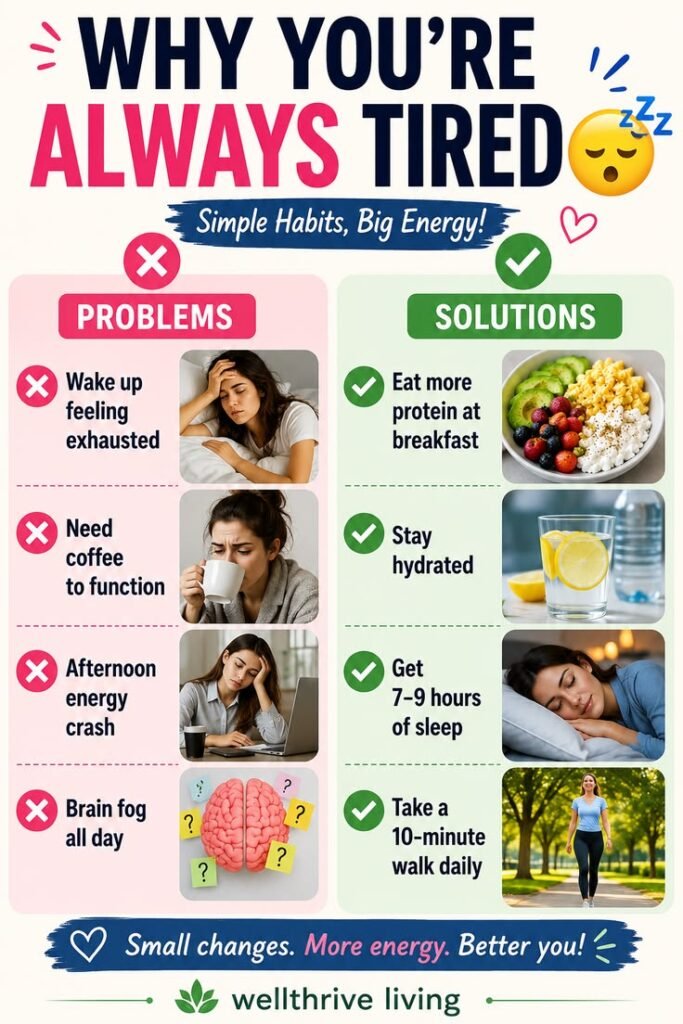
What Can You Do If You’re Always Tired?
Before assuming something is seriously wrong, review the basics.
1. Improve Your Sleep Routine
Try to maintain consistent sleeping and waking times.
Keep your bedroom comfortable and give yourself time to wind down before bed.
2. Eat Regular, Balanced Meals
Focus on nutrient-dense foods rather than relying heavily on sugary snacks and energy drinks.
3. Drink Enough Fluids
Make hydration part of your normal daily routine instead of waiting until you’re extremely thirsty.
4. Move Your Body
A daily walk or gentle activity can be a good starting point if you’ve been inactive.
5. Manage Stress
Give yourself short periods during the day where you aren’t working, scrolling, or multitasking.
6. Review Your Medications
Some medicines can contribute to tiredness or drowsiness. Never stop prescribed medication without discussing it with your healthcare professional.
7. Pay Attention to Patterns
If you’re tired every morning, after meals, during exercise, or after stressful events, write it down.
Patterns can provide useful clues.
When Should You See a Doctor About Constant Tiredness?
You don’t need to panic because you’re tired.
However, persistent fatigue shouldn’t always be ignored.
The NHS recommends seeking medical advice if you’ve been tired for a few weeks without knowing why, if tiredness affects your daily life, or if it occurs alongside symptoms such as unexplained weight loss or mood changes.
Mayo Clinic also recommends medical evaluation when fatigue persists despite measures such as rest, reducing stress, eating well, and staying hydrated.
Seek urgent medical attention if fatigue occurs with:
- Chest pain
- Severe shortness of breath
- Fainting or feeling like you may pass out
- A very fast or irregular heartbeat
- Severe headache
- Severe abdominal, pelvic, or back pain
- Unusual bleeding, including vomiting blood or rectal bleeding
These symptoms can require urgent evaluation.
Frequently Asked Questions
1. Why do I feel so tired all the time?
Constant tiredness can have many causes, including poor sleep, stress, dehydration, poor nutrition, inactivity, medications, anemia, thyroid problems, diabetes, sleep disorders, infections, and mental health conditions. Persistent fatigue should be discussed with a healthcare professional.
2. Why am I tired even after sleeping 8 hours?
Sleeping for eight hours doesn’t always mean you’re getting good-quality sleep. Frequent awakenings, sleep disorders, an irregular sleep schedule, stress, and other health problems can leave you tired after a full night in bed.
3. Why do I feel dizzy and tired all the time?
Dizziness and fatigue can occur together for several reasons, including dehydration, low blood sugar, medication effects, anxiety, and certain medical conditions. Frequent or severe dizziness should be evaluated.
4. Why do I feel nauseous and tired all the time?
Nausea can have many causes, including digestive problems, infections, migraines, motion sickness, vertigo, stress, anxiety, pregnancy, and medication effects. If nausea persists or is severe, seek medical advice.
5. Can stress make you feel tired all the time?
Yes. Prolonged stress can affect sleep, concentration, mood, and energy levels. Managing stress and improving sleep may help, but persistent fatigue should still be evaluated if it continues.
6. Can dehydration make me feel tired?
Dehydration can contribute to symptoms such as dizziness and feeling unwell. If you’re frequently thirsty, have dark urine, or experience repeated dizziness, review your fluid intake and speak with a healthcare professional if symptoms persist.
7. Why do I feel cold and tired all the time?
Persistent cold sensitivity combined with fatigue can have several causes. Anemia and thyroid problems are among the health issues that may be associated with tiredness and related symptoms.
8. When is tiredness considered abnormal?
There isn’t one exact number of days that makes tiredness abnormal for everyone. However, if fatigue persists for several weeks, doesn’t improve with reasonable lifestyle changes, or interferes with everyday activities, it’s worth discussing with a healthcare professional.
9. Can a poor diet cause constant tiredness?
Yes. An unhealthy or inadequate diet can contribute to fatigue. Eating regular, balanced meals with a variety of nutrient-rich foods can support normal energy levels.
10. Should I take vitamins if I’m always tired?
Not automatically. Fatigue can have many causes, and taking supplements without knowing whether you actually have a deficiency may not address the underlying problem. If your fatigue persists, talk with a healthcare professional about whether testing is appropriate.
11. Can lack of exercise make you feel tired?
Yes. Too little physical activity can contribute to low energy and a sedentary lifestyle. Starting with manageable activities such as walking can be a practical first step.
12. Is constant fatigue always a sign of a serious disease?
No. Many cases of tiredness are related to sleep, stress, diet, activity levels, or other lifestyle factors. However, persistent or unexplained fatigue can sometimes be linked to a medical condition, so it shouldn’t be ignored if it continues.
Final Takeaway: Listen to What Your Body Is Telling You
If you keep asking, “why do I feel so tired all the time?”, don’t immediately assume that you simply need more coffee.
Start by looking at the basics: sleep, food, hydration, movement, stress, and your daily routine.
But also pay attention to the bigger picture.
If your tiredness continues for weeks, affects your normal activities, or comes with symptoms such as dizziness, nausea, unexplained weight changes, shortness of breath, mood changes, or other unusual symptoms, it’s worth talking with a healthcare professional.
The goal isn’t simply to hide tiredness with caffeine or supplements.
The goal is to understand why you’re tired in the first place and address the underlying issue.
Your energy level is one of the ways your body communicates with you. Sometimes it needs better sleep. Sometimes it needs better nutrition or recovery. And sometimes persistent fatigue is a reason to get checked.
Don’t ignore a symptom that keeps coming back.
Key Takeaways
- Feeling tired occasionally is normal, but persistent fatigue deserves attention.
- Poor sleep is one of the most common contributors to tiredness.
- Stress, poor nutrition, dehydration, and inactivity can also reduce energy.
- Anemia, thyroid problems, diabetes, sleep disorders, infections, and mental health conditions can also be associated with fatigue.
- Dizziness, nausea, or feeling cold alongside fatigue may provide additional clues, but these symptoms cannot diagnose a specific condition.
- Avoid self-diagnosing based on one symptom.
- If fatigue persists for several weeks or affects your daily life, talk with a healthcare professional.
- Seek urgent medical care when severe fatigue occurs with serious symptoms such as chest pain, severe shortness of breath, fainting, severe headache, or unusual bleeding.
Medical Disclaimer
This article is intended for educational purposes only and does not replace professional medical advice, diagnosis, or treatment. Health symptoms can have many different causes. If you have persistent, worsening, or concerning symptoms, consult a qualified healthcare professional.
Pingback: Cyclospora Outbreak: Symptoms, Causes, Treatment, Prevention
Pingback: Why Do I Wake Up Tired After 8 Hours of Sleep?