
Table of Contents
Introduction
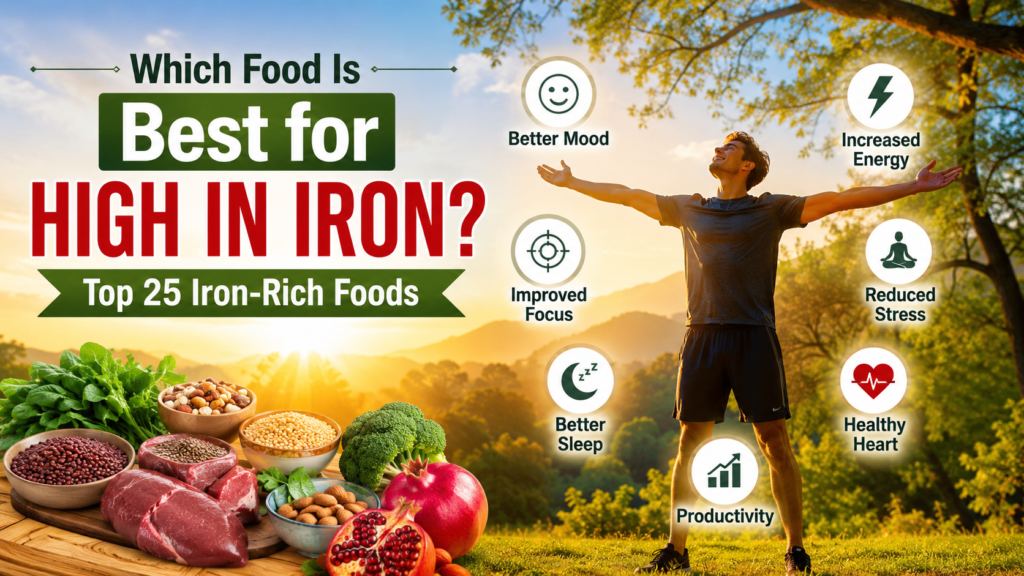
Why Best Foods For High Iron. most important minerals in your body. Yet, iron deficiency remains the most common nutritional deficiency worldwide, affecting about 2 billion people globally. The World Health Organization reports that anemia affects approximately 33% of non-pregnant women, 40% of pregnant women, and 42% of children worldwide.
If you’ve ever felt constantly tired, weak, or struggled to concentrate, low iron levels could be the culprit. The good news? The solution often starts in your kitchen.
But with so many options out there, which food is best for high in iron? The answer isn’t as simple as picking one “superfood.” Different foods provide different types of iron, and your body absorbs them in unique ways.
In this comprehensive guide, we’ll explore the best iron-rich foods, how to maximize absorption, and practical tips to keep your iron levels healthy—whether you eat meat, follow a plant-based diet, or fall somewhere in between.
Why Your Body Needs Iron
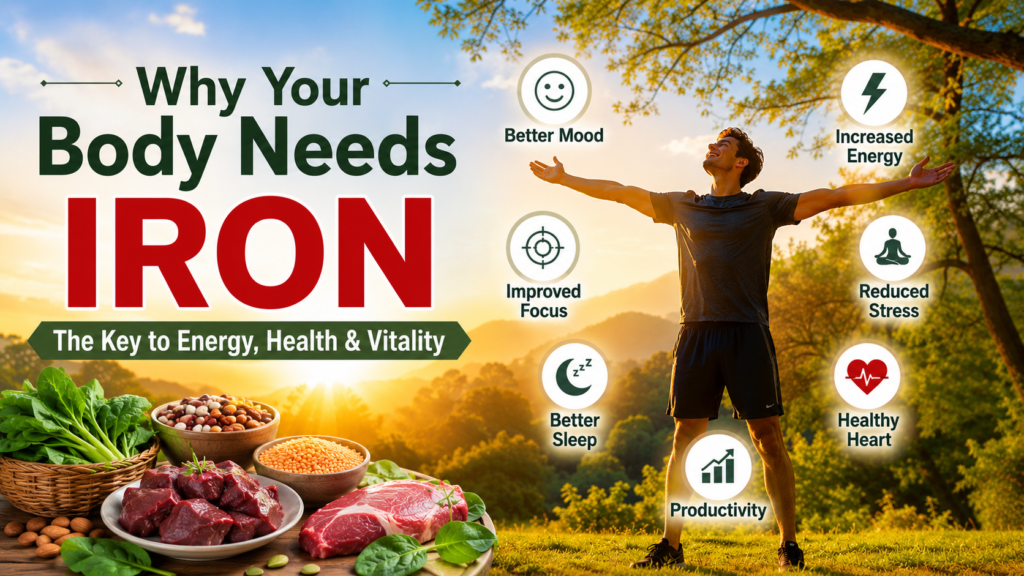
Iron is a mineral found in every cell of your body. Its main job? Helping your body produce hemoglobin—a protein in red blood cells that carries oxygen from your lungs to every tissue in your body.
But that’s not all. Iron also:
- Supports muscle metabolism through myoglobin
- Helps your immune system function properly
- Is necessary for physical growth and neurological development
- Plays a role in DNA synthesis and hormone production
Most of the body’s iron—about 3 to 4 grams in adults—is found in hemoglobin. The rest is stored in your liver, spleen, and bone marrow as ferritin or hemosiderin.
When your iron intake drops below what your body needs, those storage reserves slowly deplete. Over time, this can lead to iron deficiency and eventually iron deficiency anemia.
Heme Iron vs. Non-Heme Iron: What’s the Difference?
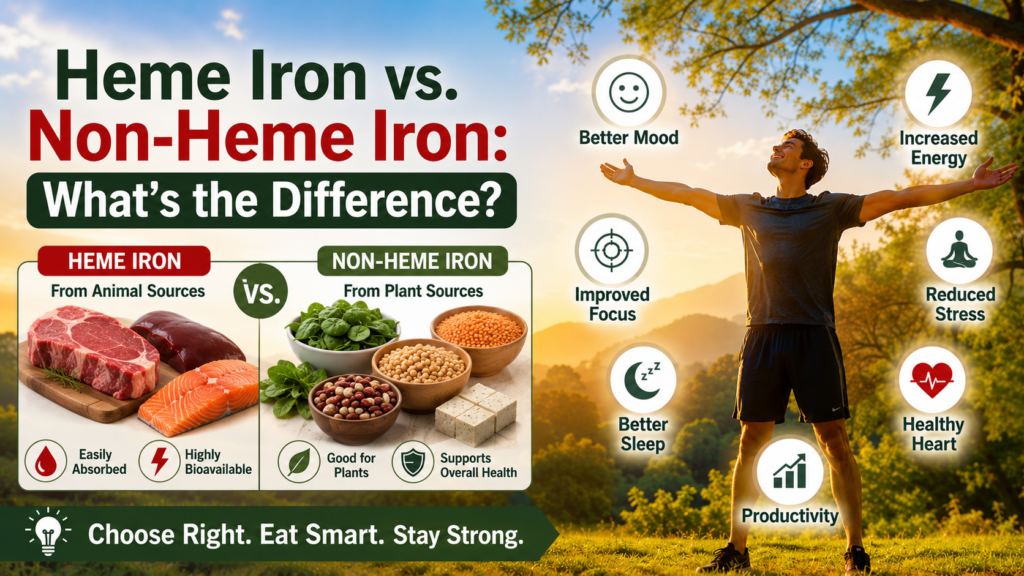
To understand which food is best for high in iron, you first need to know about the two types of dietary iron.
Heme Iron
Heme iron comes from animal sources—meat, poultry, and seafood. Your body absorbs heme iron much more efficiently than plant-based iron. In fact, heme iron contributes about 10% to 15% of total iron intakes in Western populations.
Key characteristics:
- Highly bioavailable (easily absorbed)
- Absorption is less affected by other foods you eat
- Found only in animal products
Non-Heme Iron
Non-heme iron comes from plant sources like beans, lentils, vegetables, and grains. It’s also found in iron-fortified foods.
Key characteristics:
- Less easily absorbed than heme iron
- Absorption can be blocked by certain compounds (phytates, polyphenols)
- Absorption can be enhanced by vitamin C
Bottom line: While heme iron is more readily absorbed, non-heme iron from plant foods can still effectively meet your needs—especially when you pair it with the right nutrients.
Top Foods High in Iron
Let’s answer the big question: which food is best for high in iron? Here’s a comprehensive list of the best iron-rich foods, organized by type.
Animal-Based Iron Sources (Heme Iron)
Top pick: Clams and oysters are among the absolute best foods high in iron. Just three oysters provide 6.9 mg of iron, which is nearly the entire daily requirement for adult men.
Plant-Based Iron Sources (Non-Heme Iron)
Top pick: Lentils are a standout—one cup of cooked lentils provides 6.6 mg of iron. They’re also rich in fiber, folate, magnesium, and zinc.
Iron-Fortified Foods
Many grains and cereals are fortified with iron, making them excellent sources of non-heme iron. These include:
How Much Iron Do You Need Daily?
Your daily iron needs depend on your age, sex, and life stage.
| Group | Daily Iron Requirement |
|---|---|
| Men (19-50 years) | 8 mg |
| Men (51+ years) | 8 mg |
| Women (19-50 years, not pregnant) | 18 mg |
| Pregnant women | 27 mg |
| Breastfeeding women | 9 mg |
| Women (51+ years) | 8 mg |
| Teen girls (14-18 years) | 15 mg |
Important: Vegetarians and vegans should consume nearly twice the amount of iron as people who eat meat. This is because the non-heme iron from plant sources is harder for the body to absorb.
How to Boost Iron Absorption
Knowing which food is best for high in iron is only half the battle. You also need to help your body absorb that iron effectively.
1. Pair Iron with Vitamin C
Vitamin C is the most powerful enhancer of iron absorption. It transforms iron into a form that’s easier for your body to absorb and prevents it from forming insoluble compounds as it moves through your digestive tract.
Vitamin C-rich foods to pair with iron:
- Citrus fruits (oranges, grapefruits, lemons)
- Strawberries, kiwi, papaya
- Bell peppers, broccoli, tomatoes
- Leafy greens
Simple pairing ideas:
- Lentil soup with a glass of orange juice
- Spinach salad with strawberries
- Fortified cereal with sliced kiwi
2. Include a Small Amount of Meat or Fish
Adding just 50 grams of meat, fish, or poultry to a meal can significantly increase absorption of non-heme iron from plant foods. This is known as the “meat factor”.
3. Cook with Cast Iron Cookware
Cooking acidic foods (like tomato sauce) in cast iron pans can increase the iron content of your food.
4. Soak and Sprout Legumes and Grains
Soaking, sprouting, or fermenting beans, grains, and seeds can reduce phytate levels—compounds that block iron absorption.
Foods That Block Iron Absorption
Just as some foods enhance iron absorption, others can interfere with it. These are called iron inhibitors.
Phytates
Found in whole grains, bran, beans, and nuts. Phytates can significantly reduce non-heme iron absorption—as little as 2 mg of phytate can inhibit absorption by 18%, while 250 mg can reduce it by 82%.
What to do: Soak, sprout, or ferment these foods to reduce phytate content. Also, avoid eating them at the same meal as your main iron source.
Polyphenols
Found in tea, coffee, and red wine. These compounds can bind to iron and prevent absorption.
What to do: Avoid drinking tea, coffee, or red wine with meals. Wait at least one hour after eating before having these beverages.
Calcium
Calcium from dairy products can interfere with both heme and non-heme iron absorption.
What to do: Separate high-calcium foods from iron-rich meals. For example, have milk or cheese at snack time rather than with your main meal.
Signs You May Have Low Iron
Iron deficiency often develops gradually. You might not notice symptoms until your iron stores are significantly depleted.
Common signs of low iron include:
- Extreme fatigue and weakness
- Pale skin
- Shortness of breath, dizziness, or lightheadedness
- Cold hands and feet
- Headaches
- Difficulty concentrating or “brain fog”
- Brittle nails
- Hair loss
- Heart palpitations or irregular heartbeat
- Unusual cravings for non-food items like ice or dirt (pica)
Important: If you experience several of these symptoms, speak with your healthcare provider. A simple blood test can check your ferritin (iron stores) and hemoglobin levels.
Who Is at Risk for Iron Deficiency?
Certain groups are more vulnerable to iron deficiency:
- Women of childbearing age: Due to menstrual blood loss, about 38% of nonpregnant reproductive-age women in high-income countries have iron deficiency
- Pregnant women: The body needs more iron to support the baby’s growth and increased blood volume
- Vegetarians and vegans: Plant-based iron is less bioavailable
- Children and adolescents: Rapid growth increases iron needs
- Older adults: May have decreased iron absorption or poor diet
- People with certain medical conditions: Such as gastrointestinal disorders that affect nutrient absorption
Common Mistakes People Make
Mistake 1: Relying Only on Spinach
Spinach is a good source of non-heme iron—6.4 mg per cup of cooked spinach. But spinach also contains oxalates that can inhibit absorption. Plus, there are many foods with even more iron per serving, including lentils, beans, and fortified cereals.
The fix: Include a variety of iron-rich foods, not just spinach.
Mistake 2: Drinking Tea or Coffee with Meals
Tea and coffee contain polyphenols that can reduce iron absorption by up to 60% or more.
The fix: Wait at least one hour after meals before drinking tea or coffee.
Mistake 3: Not Pairing Plant Iron with Vitamin C
Many people eat plant-based iron sources without vitamin C, missing out on a major absorption boost.
The fix: Always pair non-heme iron foods with a source of vitamin C.
Mistake 4: Taking Calcium Supplements with Iron-Rich Meals
Calcium competes with iron for absorption.
The fix: Take calcium supplements at a different time of day from your main iron-rich meals.
Expert Tips for Maximizing Iron Intake
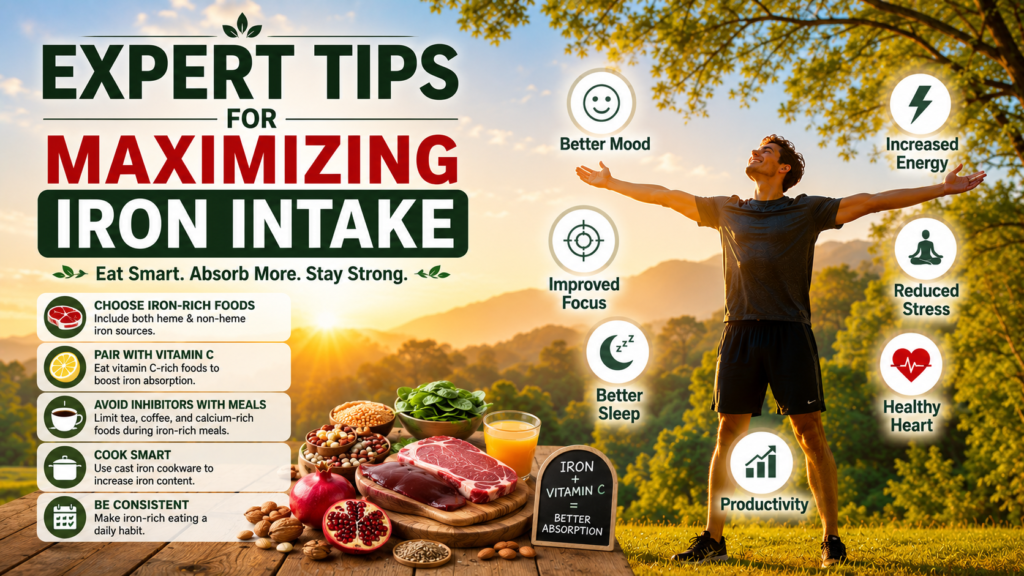
- Spread out your iron sources. Instead of one big iron-rich meal, include small amounts throughout the day.
- Read food labels. Look for “fortified” or “enriched” cereals and breads—they can be excellent sources of iron.
- Don’t overcook vegetables. Lightly steaming retains more nutrients, though cooking does reduce phytates in legumes.
- Add dried fruit to snacks. Dried apricots, figs, and raisins provide small but meaningful amounts of iron.
- Combine heme and non-heme iron in one meal. For example, add a small amount of beef to a bean chili. The heme iron can boost absorption of the non-heme iron from the beans.
- Consider supplements only if recommended. Food sources are generally the best way to get iron. Supplements can cause side effects and should only be taken under medical supervision. Iron supplements are also a leading cause of poisoning in children under age 6.
Frequently Asked Questions (FAQs)
1. Which food is best for high in iron?
Clams and oysters are among the best foods high in iron—with clams providing over 20 mg per 100 grams and oysters providing 6.9 mg in just 3 oysters. For plant-based options, fortified cereals, lentils (6.6 mg per cup), and white beans (8 mg per cup) are excellent choices.
2. How can I raise my iron levels quickly?
To raise iron levels quickly, eat heme iron sources like oysters, clams, or lean red meat. Pair them with vitamin C-rich foods to maximize absorption. Avoid tea, coffee, and calcium-rich foods around mealtimes. For severe deficiency, consult your doctor about supplements.
3. Are eggs high in iron?
Chicken eggs contain about 0.9 mg of iron per egg. Turkey eggs (3.2 mg) and duck eggs (2.7 mg) have significantly more.
4. Is dark chocolate a good source of iron?
Yes! Dark chocolate with 70-85% cocoa contains 2.3 mg of iron per ounce. It’s a tasty way to add a little iron to your day.
5. Can I get enough iron from a plant-based diet?
Yes, but vegetarians and vegans need about twice the daily iron recommendation because plant-based (non-heme) iron is less absorbed. Focus on lentils, beans, tofu, fortified cereals, and dark leafy greens, and always pair them with vitamin C.
6. What drinks block iron absorption?
Tea (black, green, chamomile), coffee, and red wine contain polyphenols that inhibit iron absorption. Avoid drinking these with meals.
7. Does vitamin C really help with iron absorption?
Yes. Vitamin C is the most potent enhancer of iron absorption. It can overcome the effects of inhibitors like phytates and polyphenols. Even a small amount of vitamin C can make a significant difference.
8. How much iron do I need daily?
Adult men need 8 mg daily. Women ages 19-50 need 18 mg. Pregnant women need 27 mg. Vegetarians should aim for nearly double these amounts.
9. What are the symptoms of low iron?
Common symptoms include extreme fatigue, weakness, pale skin, shortness of breath, dizziness, cold hands and feet, headaches, difficulty concentrating, hair loss, and brittle nails.
10. Can cooking in cast iron increase iron in food?
Yes. Cooking acidic foods like tomato sauce in cast iron cookware can increase the iron content of your food.
11. Is iron from supplements better than food?
Food sources are generally preferred because they provide iron alongside other beneficial nutrients and have fewer side effects. However, supplements may be necessary for people with diagnosed iron deficiency. Always consult your doctor first.
12. Can too much iron be harmful?
Yes. The tolerable upper intake level for iron is 45 mg per day for adults. Too much iron can cause gastrointestinal discomfort and, in severe cases, organ damage. People with hemochromatosis (iron overload) should be especially cautious.
Conclusion
So, which food is best for high in iron? The truth is, there’s no single “best” food. The most effective approach is to include a variety of iron-rich foods in your diet—both heme sources like oysters, clams, and lean meats, and non-heme sources like lentils, beans, spinach, and fortified cereals.
Remember these key principles:
- Heme iron (from animals) is absorbed better than non-heme iron (from plants)
- Pair iron with vitamin C to boost absorption
- Avoid tea, coffee, and calcium around mealtimes
- Vegetarians and vegans need more iron overall
Iron deficiency affects billions of people worldwide, but it’s often preventable with the right dietary choices. By understanding which foods are rich in iron and how to maximize absorption, you can take control of your iron levels and your health.
If you suspect you have low iron, don’t guess—see your healthcare provider for a proper diagnosis. They can check your iron levels and recommend the best approach for your individual needs.
Key Takeaways
- Iron is essential for oxygen transport, energy, and immune function
- Heme iron (animal sources) is better absorbed than non-heme iron (plant sources)
- Top heme sources: oysters (6.9 mg/3 oysters), clams (20+ mg/100g), lean beef (2.5 mg/3 oz)
- Top non-heme sources: fortified cereals (9-16 mg/cup), lentils (6.6 mg/cup), white beans (8 mg/cup)
- Adult men need 8 mg daily; women 19-50 need 18 mg; pregnant women need 27 mg
- Always pair plant-based iron with vitamin C for better absorption
- Avoid tea, coffee, and calcium-rich foods with iron-rich meals
- Vegetarians and vegans need about twice the daily recommendation
- Common signs of low iron: fatigue, weakness, pale skin, shortness of breath, dizziness
Pingback: Signs of Stress You Ignore: 15 Hidden Symptoms That Damaging
Pingback: Top 15 Omega-3 Benefits for Heart, Brain & Overall Health
Pingback: Why You Need Healthy Fats: Bats 9 Foods Benefits, Sources, Myths & How to Add Them
Pingback: 15 Daily Foods for a Healthy Lifestyle: Science-Backed Guide
Pingback: 15 Best Foods That Help Anxiety Naturally
Pingback: 25 Healthy Snacks Under 100 Calories for Weight Loss and Healthy Living
Pingback: Which Is the Most Common Mistake to Start a Beginner Workout? 15 Beginner Workout Mistakes You Must Avoid
Pingback: Best High Fiber Foods: Top 25 Foods Rich in Fiber for Better Health
Pingback: Weight Loss Myths Busted: 15 Common Myths That Stopping
Pingback: Can Walking 10000 Steps a Day Really Change Your Health?
Pingback: Healthy Carbs vs Bad Carbs: Key Differences, Best Foods
Pingback: Best High Protein Foods: Top 25 Protein-Rich Foods