
- Vitamin D3 and vitamin B12 are two very different nutrients, but both are important for keeping the body functioning properly. Vitamin D3 is closely linked with bone health, calcium absorption, muscles, and immune function, while vitamin B12 supports healthy blood cells, nerves, and DNA production.
- When either vitamin is too low, the symptoms can sometimes be easy to overlook. Tiredness, weakness, body aches, poor concentration, or muscle discomfort may be blamed on stress, lack of sleep, or a busy lifestyle.
- In some people, however, persistent symptoms may be related to a nutritional deficiency.
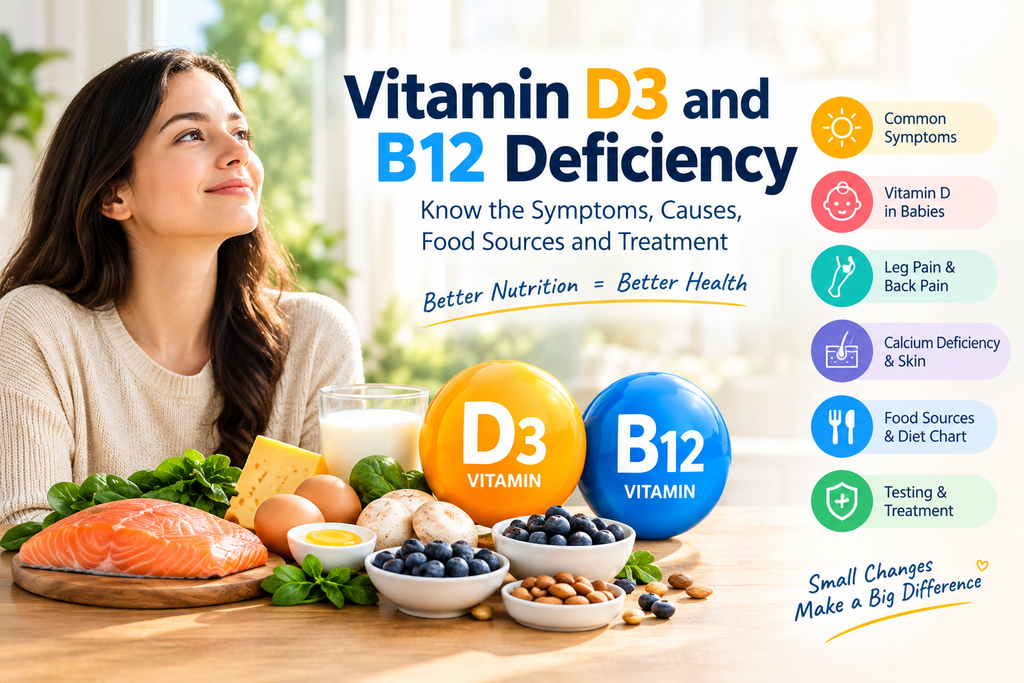
- This guide explains vitamin D3 and B12 deficiency, including common symptoms, causes, food sources, vitamin D deficiency symptoms in babies, leg pain associated with vitamin deficiency, vitamin D diet chart, calcium deficiency symptoms on skin, and the possible connection between vitamin D deficiency and back pain.
Important: Symptoms alone cannot confirm a vitamin deficiency. A healthcare professional may recommend blood tests and other investigations before starting treatment, particularly for babies, children, pregnant women, or people with significant symptoms.
Table of Contents
1. What Are Vitamin D3 and B12 deficiency?
- Vitamin D3, also called cholecalciferol, is one form of vitamin D. The body can produce vitamin D when skin is exposed to sunlight, and vitamin D can also come from certain foods and supplements.
- One of vitamin D’s most important jobs is helping the body absorb calcium. Calcium and vitamin D work together to support healthy bones and teeth. Vitamin D is also involved in normal muscle, nerve, and immune function.
- Vitamin B12 is a water-soluble vitamin that helps maintain healthy nerve cells and red blood cells. It is also needed for making DNA. A serious or prolonged B12 deficiency can cause anemia and neurological problems.
Trigger Point: Why Do These Deficiencies Matter?
Think of your body like a large system.
- Vitamin D3 helps manage calcium and supports bones and muscles.
- Vitamin B12 supports blood and nerve function.
- A deficiency may affect how you feel and function.
- Some symptoms can overlap with other health conditions.
That’s why testing and professional evaluation are important when symptoms continue.
2. Vitamin D3 vs. Vitamin B12
| Feature | Vitamin D3 | Vitamin B12 |
|---|---|---|
| Main role | Calcium absorption, bones, muscles, immune function | Blood cells, nerves, DNA |
| Main sources | Sunlight, fatty fish, fortified foods, supplements | Meat, fish, eggs, dairy, fortified foods |
| Deficiency may affect | Bones and muscles | Blood and nervous system |
| Common symptoms | Bone/muscle aches, weakness | Fatigue, weakness, numbness, tingling |
| Deficiency concern in babies | Rickets and poor bone development | Developmental problems, anemia, failure to thrive |
| Common blood test | 25-hydroxyvitamin D | Serum B12 and additional tests when needed |
3. Common Vitamin D Deficiency Symptoms
Vitamin D deficiency does not always cause obvious symptoms. Some people may have low levels without realizing it.
When symptoms occur, they may include:
- Muscle weakness
- Bone or muscle aches
- Bone pain
- Tiredness
- Difficulty maintaining normal bone strength
- Increased risk of bone problems when deficiency is significant
Severe vitamin D deficiency in children can lead to rickets, while deficiency in adolescents and adults can contribute to osteomalacia, a condition involving softened bones.
Trigger Point: Don’t Assume Every Body Ache Is Vitamin D Deficiency
- Aching legs or back pain can have many causes, including muscle strain, posture problems, injuries, arthritis, nerve problems, or other medical conditions.
- Vitamin D deficiency is only one possibility.
- If pain is persistent, severe, worsening, or associated with weakness or other symptoms, it deserves proper evaluation.
4. Vitamin D Deficiency Symptoms in Babies
Parents often search for vitamin D deficiency symptoms in babies because infants have special nutritional needs.
Vitamin D is particularly important during infancy because bones are growing rapidly. Significant deficiency can contribute to nutritional rickets, which affects developing bones.
Possible signs associated with significant vitamin D deficiency or rickets can include:
- Poor growth
- Bone or muscle problems
- Delayed motor development
- Delayed walking
- Soft or weak bones
- Leg deformities in severe cases
- Bone pain or discomfort
However, symptoms can be subtle, and a baby with nutritional deficiency may not show obvious signs at first.
How Much Vitamin D Do Babies Need?
- The NIH lists 400 IU (10 mcg) per day for infants from birth to 12 months.
- The American Academy of Pediatrics recommends 400 IU of vitamin D daily for infants, including breastfed infants and babies who do not consume enough vitamin-D-fortified formula.
Important Baby Safety Point
- Do not give a baby high-dose vitamin D supplements without guidance from a pediatrician. Too much vitamin D can be harmful, and the appropriate amount depends on the baby’s age, feeding pattern, health, and individual circumstances.
5. Can Vitamin D Deficiency Cause Leg Pain?
Yes, significant vitamin D deficiency can be associated with bone and muscle pain, including discomfort in the legs.
This is particularly important in growing children. Vitamin D deficiency in children can contribute to rickets, and symptoms may include pain in the long bones of the legs, difficulty walking, delayed walking, or changes in bone shape.
This explains why people often search for leg pain vitamin deficiency.
However, leg pain does not automatically mean you are deficient in vitamin D.
Other possible causes include:
- Muscle overuse
- Exercise-related soreness
- Injury
- Poor footwear
- Nerve irritation
- Joint problems
- Mineral deficiencies
- Circulation problems
- Growth-related issues in children
Trigger Point
If leg pain keeps returning, occurs at night, affects walking, or comes with weakness or swelling, don’t rely on supplements alone. A healthcare professional can help determine the underlying cause.
6. Vitamin D Deficiency and Back Pain
Another commonly searched question is whether vitamin D deficiency causes back pain.
Vitamin D deficiency can be associated with bone and muscle problems, and severe deficiency can contribute to osteomalacia in adults. Bone pain is one of the recognized effects of significant vitamin D deficiency.
However, back pain is extremely common and has many possible causes.
For example:
- Poor sitting posture
- Long hours at a desk
- Muscle strain
- Lack of physical activity
- Heavy lifting
- Disc problems
- Arthritis
- Injuries
Therefore, vitamin D deficiency should not automatically be considered the explanation for back pain.
A Useful Approach
If you have persistent back pain plus other symptoms such as muscle weakness, generalized bone pain, fatigue, or known nutritional risk factors, talk to a healthcare professional about whether vitamin D testing is appropriate.
7. Calcium Deficiency Symptoms on Skin
- People sometimes search for calcium deficiency symptoms on skin because they notice changes in their skin, hair, or nails.
- However, skin changes alone are not a reliable way to diagnose calcium deficiency.
- Calcium is primarily stored in bones and teeth and is essential for muscle movement, nerve signaling, blood vessel function, and other processes.
- Low calcium levels can occur for several reasons, and symptoms may include muscle cramps, tingling, or other problems depending on the severity and cause.
- Some skin-related changes may occur in certain medical conditions associated with calcium imbalance, but simply having dry skin, acne, rashes, or brittle nails does not prove that you have calcium deficiency.
Trigger Point
Don’t diagnose a nutrient deficiency from a skin symptom alone.
If you notice unexplained skin, hair, or nail changes, consider other possibilities as well, including:
- Skin conditions
- Hormonal changes
- Allergies
- Iron deficiency
- Thyroid disorders
- Nutritional problems
- Dehydration
A healthcare professional can help identify the actual cause.
8. Vitamin B12 Deficiency Symptoms
Vitamin B12 deficiency can affect both the blood and nervous system.
Common symptoms may include:
- Tiredness
- Weakness
- Pale skin
- Loss of appetite
- Weight loss
- Heart palpitations
- Numbness
- Tingling in the hands or feet
- Balance problems
- Memory problems
- Confusion
- Sore tongue or mouth
- Anemia
The NIH notes that B12 deficiency can damage the nervous system, sometimes even when anemia is not present.
Why B12 Deficiency Can Be Tricky
Vitamin B12 is stored in the body in relatively large amounts. As a result, deficiency symptoms can take years to appear in some people.
This means someone may have a dietary or absorption problem for a long time before noticeable symptoms develop.
9. Causes of Vitamin D3 Deficiency
Several factors can contribute to low vitamin D levels.
Limited Sun Exposure
The body can produce vitamin D through exposure to sunlight, but production varies according to factors such as skin pigmentation, age, season, location, clothing, and sun exposure habits.
Low Dietary Intake
Only a limited number of foods naturally contain significant amounts of vitamin D.
Problems Absorbing Fat
Because vitamin D is fat-soluble, certain digestive conditions that interfere with fat absorption can affect vitamin D status.
Obesity
People with obesity may have a higher risk of inadequate vitamin D status.
Certain Medical Conditions
Kidney or liver problems can affect vitamin D metabolism.
Certain Medications
Some medications can affect vitamin D metabolism or absorption.
10. Causes of Vitamin B12 Deficiency
Vitamin B12 deficiency can happen because someone does not consume enough B12 or because the body cannot absorb it properly.
Potential causes include:
- Vegan or vegetarian diets without reliable B12 sources
- Pernicious anemia
- Gastrointestinal disorders
- Certain digestive surgeries
- Problems producing intrinsic factor
- Long-term use of certain medications
- Poor absorption
The NIH identifies older adults, people with gastrointestinal disorders, people who have undergone gastrointestinal surgery, and people following vegan diets as groups that may have increased risk.
Babies and B12 Deficiency
Infants can also develop B12 deficiency, particularly when exclusively breastfed by a mother with significant B12 deficiency.
Possible infant signs include:
- Failure to thrive
- Developmental delays
- Anemia
- Neurological problems
Untreated infant B12 deficiency can be serious, so professional evaluation is important.
11. Vitamin D Diet Chart
A balanced diet can help provide vitamin D, although food alone may not always provide enough.
The NIH notes that naturally occurring vitamin D is found in relatively few foods. Fatty fish are among the best natural sources, while fortified foods can also contribute significant amounts.
Simple Vitamin D Diet Chart
| Food | Vitamin D Contribution | How to Include It |
|---|---|---|
| Salmon | High | Grilled, baked or cooked |
| Tuna | Moderate | Salad or cooked meal |
| Mackerel | High | Curry or grilled |
| Egg yolk | Small amount | Breakfast |
| Fortified milk | Varies | With breakfast |
| Fortified plant milk | Varies | Smoothies or cereal |
| Fortified cereals | Varies | Breakfast |
| UV-exposed mushrooms | Variable | Stir-fry or curry |
| Fortified yogurt | Varies | Snack |
| Cheese | Small amount | Meals or snacks |
Note: Vitamin D content varies significantly between products and food varieties. Always check the nutrition label when available.
12. Vitamin B12 Food Sources
Vitamin B12 occurs naturally in many animal-derived foods and is also added to some fortified foods.
Good sources include:
- Fish
- Salmon
- Tuna
- Meat
- Poultry
- Eggs
- Milk
- Yogurt
- Cheese
- Fortified breakfast cereals
- Fortified nutritional yeast
People following a strict vegan diet should pay particular attention to reliable B12-fortified foods or supplements because natural plant foods generally do not provide dependable amounts of vitamin B12.
13. How Vitamin D and Calcium Work Together
- Vitamin D and calcium are closely connected.
- Calcium provides structural support for bones and teeth, while vitamin D helps the body absorb calcium.
Think of them as two pieces of the same puzzle:
Vitamin D → helps calcium absorption → supports healthy bones
If vitamin D is too low, calcium absorption can be affected.
This is one reason vitamin D deficiency can become especially important during childhood, adolescence, pregnancy, and older age.
14. How Are Vitamin D and B12 Deficiencies Diagnosed?
Symptoms alone cannot reliably diagnose a deficiency.
Vitamin D Testing
A common test for vitamin D status is a blood test measuring 25-hydroxyvitamin D [25(OH)D].
The NIH notes that:
- Below 12 ng/mL is associated with vitamin D deficiency.
- 12 to below 20 ng/mL is generally considered inadequate.
- 20 ng/mL or above is adequate for most people for bone and overall health.
Interpretation should be done in the context of the individual’s health and the laboratory used.
Vitamin B12 Testing
Doctors may measure blood vitamin B12 and, depending on the situation, may use additional tests to clarify whether a deficiency exists.
If neurological symptoms are present, early evaluation is especially important because prolonged B12 deficiency can cause nerve damage.
15. Treatment and Prevention
Treatment depends on the severity and cause of the deficiency.
For Vitamin D
A healthcare professional may recommend:
- Dietary improvements
- Appropriate sunlight exposure
- Vitamin D supplementation
- Treatment of an underlying absorption problem
Vitamin D3 is one form used in supplements. The NIH notes that both D2 and D3 can raise blood vitamin D levels, although D3 may raise levels somewhat more and for longer.
For Vitamin B12
Treatment may include:
- B12-rich foods
- Fortified foods
- Oral B12 supplements
- Other forms of treatment when absorption is impaired
The appropriate treatment depends on the cause and severity.
Don’t Take Mega-Doses Without Advice
More is not always better.
Excessive vitamin D from supplements can cause high calcium levels and serious complications.
For this reason, high-dose vitamin D should generally be used only when medically appropriate.
16. When Should You See a Doctor?
Consider speaking with a healthcare professional if you experience:
- Persistent unexplained fatigue
- Repeated leg or bone pain
- Persistent back pain
- Muscle weakness
- Numbness or tingling
- Balance problems
- Unexplained weight loss
- Poor appetite
- Developmental concerns in a baby
- Poor growth in a child
- Frequent muscle cramps
- Symptoms that continue despite improving your diet
Seek Prompt Medical Attention for Babies
A baby with poor feeding, poor growth, unusual weakness, developmental regression, seizures, or other concerning symptoms should be evaluated promptly rather than treated at home with supplements.
17. Important Questions and Answers
Can vitamin D deficiency cause leg pain?
Significant vitamin D deficiency can be associated with bone and muscle pain, including leg pain. In children, severe deficiency can cause rickets and bone problems. However, leg pain has many other possible causes.
Can vitamin D deficiency cause back pain?
Vitamin D deficiency can contribute to bone and muscle problems, but back pain has many possible causes. A blood test may be appropriate when other risk factors or symptoms suggest deficiency.
What are vitamin D deficiency symptoms in babies?
Severe deficiency can contribute to rickets, poor bone development, delayed walking, growth problems, and bone or muscle problems. Some babies may have few obvious symptoms initially.
What is the most common symptom of vitamin B12 deficiency?
Fatigue and weakness are common, but B12 deficiency can also cause neurological symptoms such as numbness, tingling, balance problems, and cognitive changes.
Can vitamin D and B12 deficiency happen together?
Yes. A person can have more than one nutrient deficiency at the same time, especially when dietary intake is limited or an underlying absorption problem exists.
What foods are high in vitamin D?
Fatty fish such as salmon, tuna, trout, and mackerel are among the best natural sources. Fortified milk, plant-based beverages, cereals, and some other foods may also provide vitamin D.
Is sunlight enough to prevent vitamin D deficiency?
Not necessarily. Vitamin D production from sunlight varies greatly between people and depends on several factors. Some people may need dietary sources or supplements.
What are calcium deficiency symptoms on skin?
Skin changes alone are not a reliable indicator of calcium deficiency. Calcium deficiency or low blood calcium can have other symptoms, and the underlying cause should be evaluated medically.
How can I increase vitamin B12 naturally?
Include B12-rich foods such as fish, meat, eggs, milk, and dairy products. People who avoid animal foods may need fortified foods or supplements to reliably meet their needs.
Should I take vitamin D3 without a blood test?
Whether testing is needed depends on your symptoms, risk factors, medical history, and clinician’s judgment. Avoid taking high-dose vitamin D on your own.
How much vitamin D does a baby need?
The NIH recommends 400 IU (10 mcg) daily for infants from birth to 12 months. The American Academy of Pediatrics also recommends 400 IU daily for infants, with feeding circumstances taken into account.
Can B12 deficiency affect the nervous system?
Yes. Vitamin B12 deficiency can cause numbness, tingling, balance problems, and other neurological changes. Prolonged deficiency can cause potentially serious nerve damage.
18. Key Takeaways
- Vitamin D3 and B12 have different jobs in the body.
- Vitamin D helps the body absorb calcium and supports bones, muscles, nerves, and immune function.
- Vitamin B12 is important for red blood cells, nerves, and DNA production.
- Vitamin D deficiency can contribute to bone and muscle pain.
- Leg pain vitamin deficiency searches often relate to vitamin D, but leg pain can have many causes.
- Significant vitamin D deficiency in children can cause rickets.
- Vitamin D deficiency symptoms in babies may include poor growth, delayed motor development, and bone problems.
- Vitamin B12 deficiency may cause tiredness, weakness, numbness, tingling, and balance problems.
- A vitamin D diet chart can include fatty fish, fortified foods, eggs, and other vitamin-D-containing foods.
- Calcium deficiency symptoms on skin should not be diagnosed based on skin changes alone.
- Vitamin D deficiency may contribute to bone or muscle pain, but vitamin D deficiency back pain is not the only explanation for back pain.
- Blood tests can help identify vitamin D or B12 deficiency.
- Avoid high-dose supplements without appropriate medical guidance.
19. Conclusion
- Vitamin D3 and vitamin B12 may receive a lot of attention online, but understanding deficiency requires more than matching one symptom to one vitamin.
- Vitamin D is particularly important for calcium absorption, bones, and muscles, while vitamin B12 plays a major role in healthy blood cells and the nervous system. Deficiencies can develop for different reasons, including dietary limitations, reduced absorption, medical conditions, or increased nutritional needs.
- Symptoms such as fatigue, leg pain, back discomfort, weakness, numbness, or developmental concerns in babies should not automatically be blamed on vitamin deficiency. The same symptoms can have many different causes.
- The best approach is to look at the complete picture: diet, lifestyle, medical history, symptoms, and—when appropriate—blood testing.
- If you suspect a vitamin D3 or B12 deficiency, speak with a qualified healthcare professional before starting high-dose supplements. Early identification and appropriate treatment can help prevent complications and support better long-term health.
Medical Disclaimer
This article is for general educational purposes only and is not a substitute for professional medical advice, diagnosis, or treatment. Nutritional requirements vary by age, health status, pregnancy, medications, and individual circumstances. Babies and children should receive supplements only according to guidance appropriate for their age and health. If you have persistent, severe, or worsening symptoms, consult a qualified healthcare professional.