
Signs of Stress You Ignore: 15 Silent Warning Signs That Could Be Affecting Your Health
Table of Contents
Introduction
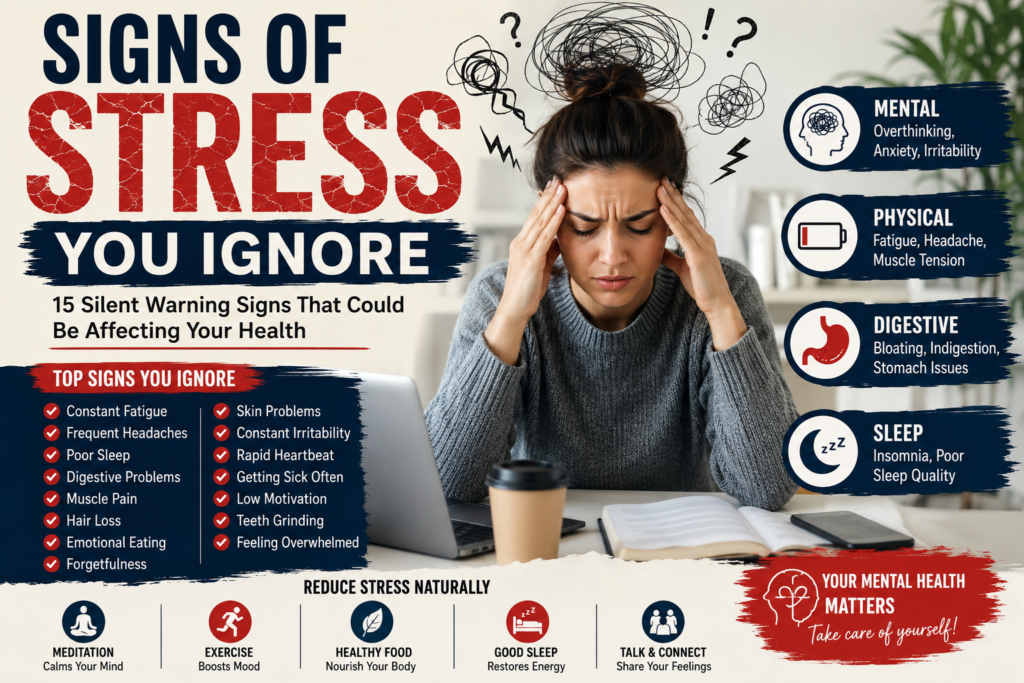
Stress has become a normal part of modern life. Whether it’s work pressure, financial responsibilities, family issues, or constant exposure to technology, many people live with stress every day without realizing how deeply it affects their health.
The biggest problem is that stress doesn’t always announce itself with panic attacks or emotional breakdowns. Instead, it quietly changes your body, mind, sleep, digestion, and behavior.
Many people ignore these warning signs until stress develops into anxiety, depression, high blood pressure, heart disease, diabetes, digestive disorders, or chronic fatigue.
In this comprehensive guide, you’ll learn the 15 hidden signs of stress, why they happen, how stress affects your body, and practical ways to reduce it naturally.
ignore stree symptoms,
physical symptoms of stress,
health risks of ignoring stress,
foods that help reduce stress naturally,
What Is Stress?
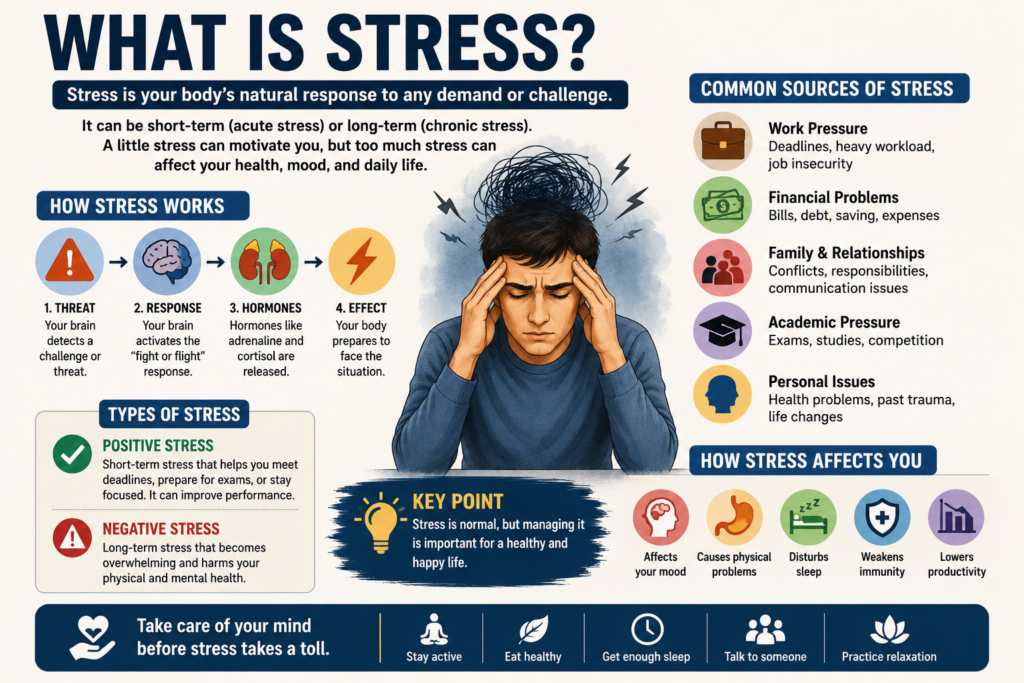
Stress is your body’s natural response to challenges or demands. When your brain senses danger or pressure, it releases stress hormones such as:
- Cortisol
- Adrenaline
- Norepinephrine
These hormones prepare your body for the “fight or flight” response.
Short-term stress can be helpful.
However, chronic stress keeps these hormones elevated, damaging nearly every organ in your body.
ignore stree symptoms,
physical symptoms of stress,
health risks of ignoring stress,
foods that help reduce stress naturally,
Why People Ignore Stress Symptoms
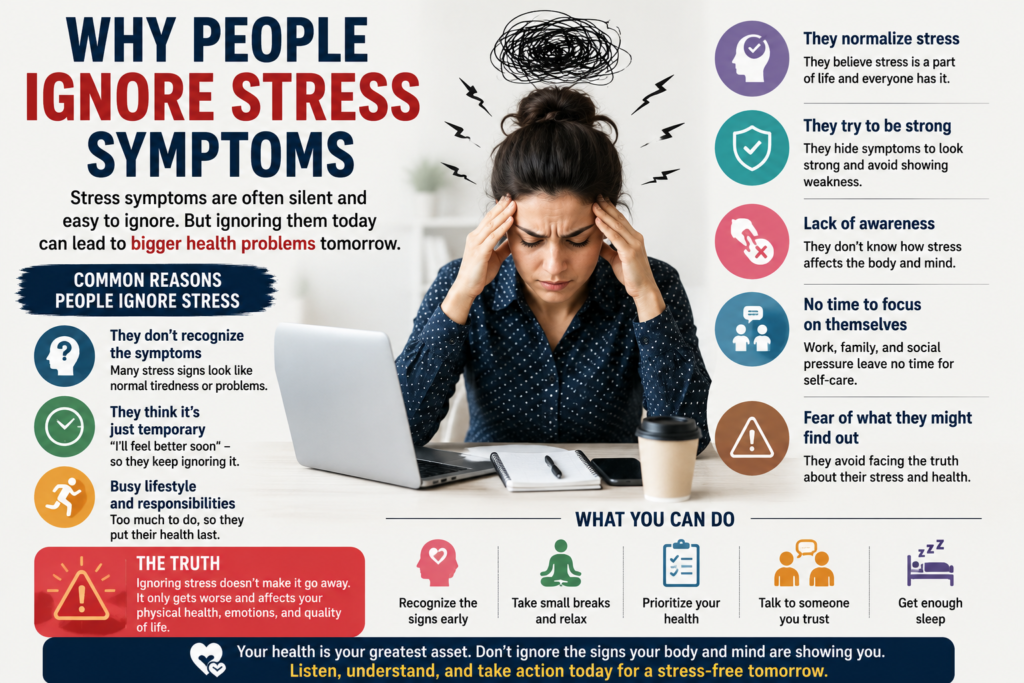
Many symptoms don’t seem related to stress.
People often blame:
- Poor sleep
- Busy schedule
- Aging
- Poor diet
- Lack of exercise
Instead, stress may actually be the hidden cause.
ignore stree symptoms,
physical symptoms of stress,
health risks of ignoring stress,
foods that help reduce stress naturally,
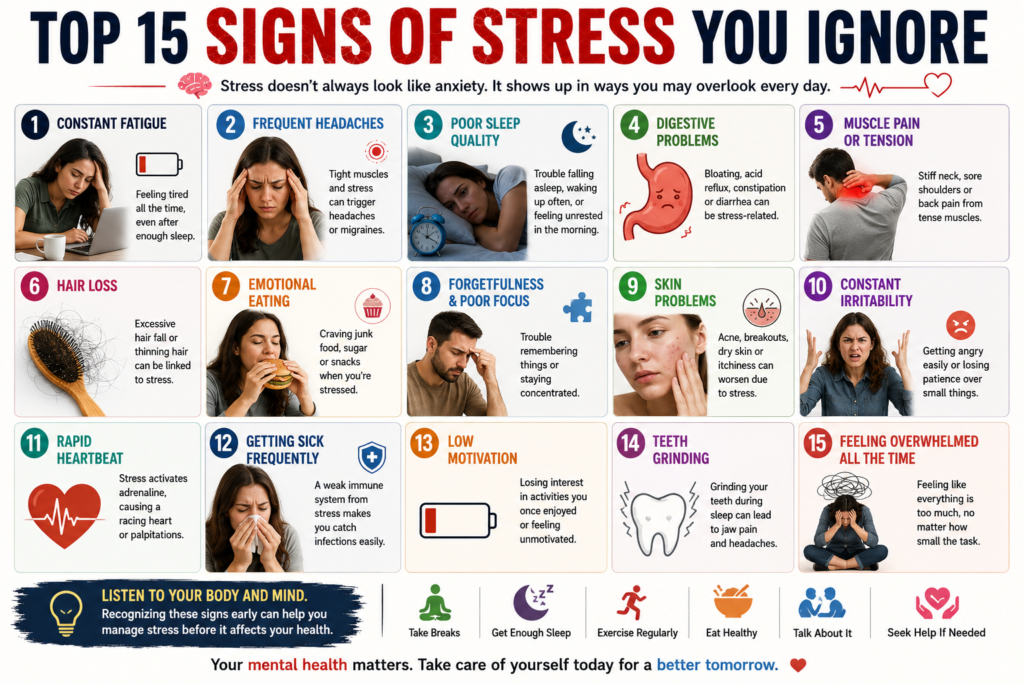
Top 15 Signs of Stress You Ignore
ignore stree symptoms,
physical symptoms of stress,
health risks of ignoring stress,
foods that help reduce stress naturally,
1. Constant Fatigue
Even after sleeping 7–8 hours, you still feel exhausted.
Why?
Stress hormones prevent deep restorative sleep.
What to do
- Sleep at the same time daily
- Reduce screen time
- Practice relaxation before bed
2. Frequent Headaches
Stress tightens muscles around your neck and scalp.
Symptoms include:
- Pressure headache
- Migraine
- Neck pain
3. Poor Sleep Quality
Signs include:
- Difficulty falling asleep
- Waking during the night
- Nightmares
- Early morning awakening
4. Digestive Problems
Stress directly affects your gut.
Common issues:
- Bloating
- Acid reflux
- Constipation
- Diarrhea
- IBS
5. Muscle Pain
Stress causes muscles to remain tense for long periods.
Most common areas:
- Neck
- Shoulders
- Lower back
- Jaw
6. Hair Loss
Long-term stress can push hair follicles into a resting phase.
Symptoms:
- Excessive hair fall
- Thinning hair
- Weak hair growth
7. Emotional Eating
Many people crave:
- Sugar
- Fast food
- Fried foods
- Chocolate
This is caused by increased cortisol.
8. Forgetfulness
Stress reduces concentration.
Common symptoms:
- Forgetting names
- Missing appointments
- Losing focus
9. Skin Problems
Stress can worsen:
- Acne
- Psoriasis
- Eczema
- Dry skin
- Premature aging
10. Constant Irritability
Small things suddenly make you angry.
You may:
- Lose patience easily
- Snap at family
- Feel overwhelmed
11. Rapid Heartbeat
Stress activates adrenaline.
Symptoms include:
- Racing heart
- Sweating
- Chest tightness
12. Getting Sick Frequently
Chronic stress weakens immunity.
You may experience:
- Frequent colds
- Slow wound healing
- Viral infections
13. Low Motivation
You stop enjoying activities you once loved.
You may lose interest in:
- Exercise
- Hobbies
- Friends
- Work
14. Teeth Grinding
Many people grind their teeth while sleeping due to stress.
This may lead to:
- Jaw pain
- Tooth damage
- Morning headaches
15. Feeling Overwhelmed All the Time
One of the biggest hidden signs.
Simple tasks begin to feel impossible.
Physical Symptoms of Stress
| Physical Symptom | How It Affects You |
|---|---|
| Headaches | Reduced productivity |
| High blood pressure | Heart disease risk |
| Fatigue | Low energy |
| Poor sleep | Mental exhaustion |
| Hair loss | Reduced confidence |
| Digestive issues | Nutrient absorption problems |
| Muscle tension | Chronic pain |
Emotional Symptoms of Stress
| Emotional Sign | Description |
|---|---|
| Anxiety | Constant worrying |
| Mood swings | Emotional instability |
| Irritability | Anger over small things |
| Low confidence | Self-doubt |
| Sadness | Feeling emotionally drained |
Behavioral Signs
- Nail biting
- Smoking more
- Drinking alcohol frequently
- Overeating
- Social withdrawal
- Excessive phone usage
- Procrastination
Long-Term Health Risks of Ignoring Stress
Ignoring stress for months or years may increase the risk of:
- Heart disease
- High blood pressure
- Diabetes
- Depression
- Anxiety disorders
- Obesity
- Stroke
- Memory problems
- Digestive diseases
- Weak immune system
Foods That Help Reduce Stress Naturally
| Food | Benefits |
|---|---|
| Salmon | Rich in Omega-3 |
| Walnuts | Brain support |
| Almonds | Magnesium |
| Dark Chocolate | Mood improvement |
| Yogurt | Gut health |
| Oats | Stable blood sugar |
| Bananas | Vitamin B6 |
| Green Tea | Calming effect |
| Spinach | Magnesium |
| Blueberries | Antioxidants |
Daily Anti-Stress Routine
Morning
Afternoon
- Balanced lunch
- Stretch every hour
- Deep breathing
Evening
- Light exercise
- Family time
- Avoid excessive caffeine
Night
- Read a book
- No phone before bed
- Sleep 7–9 hours
How to Reduce Stress Naturally
Exercise
30 minutes daily can lower cortisol.
Best options:
- Walking
- Yoga
- Swimming
- Cycling
- Strength training
Practice Deep Breathing
Try:
- Box Breathing
- 4-7-8 Breathing
- Diaphragmatic Breathing
Improve Sleep
Aim for:
- 7–9 hours
- Cool bedroom
- Fixed bedtime
Eat a Balanced Diet
Focus on:
- Fruits
- Vegetables
- Lean protein
- Whole grains
- Healthy fats
Limit Social Media
Excessive scrolling increases stress and anxiety.
Stay Connected
Spend time with:
- Family
- Friends
- Support groups
When Should You See a Doctor?
Seek professional help if stress:
- Lasts more than two weeks
- Causes panic attacks
- Prevents you from working
- Causes chest pain
- Leads to thoughts of self-harm
- Affects your daily life significantly
Frequently Asked Questions (FAQ)
What are the first signs of stress?
Common early signs include fatigue, headaches, irritability, poor sleep, and digestive problems.
Can stress make you physically sick?
Yes. Chronic stress can contribute to high blood pressure, digestive issues, weakened immunity, and heart problems.
How do I know if I’m stressed without realizing it?
Look for hidden symptoms such as muscle tension, hair loss, emotional eating, forgetfulness, and frequent illnesses.
Can stress cause weight gain?
Yes. Elevated cortisol can increase appetite, especially for high-calorie foods, and promote abdominal fat storage.
How long does stress take to affect the body?
Stress can have immediate effects, but chronic stress over weeks or months is more likely to cause significant physical and mental health issues.
What is the fastest way to reduce stress?
Deep breathing, a short walk, mindfulness meditation, stretching, and talking to a trusted friend can provide quick relief.
Which foods help reduce stress?
Omega-3-rich fish, leafy greens, nuts, seeds, berries, bananas, yogurt, and dark chocolate may support stress management as part of a balanced diet.
Can stress affect memory?
Yes. Long-term stress may impair concentration, learning, and short-term memory due to elevated cortisol levels.
Final Thoughts
Stress is often called the “silent health killer” because it develops gradually and can affect nearly every system in the body before obvious symptoms appear. Recognizing the hidden signs early allows you to make meaningful lifestyle changes that protect both your physical and mental well-being. Prioritize quality sleep, regular exercise, nutritious meals, relaxation techniques, and supportive relationships to build resilience against everyday stress.
Pingback: Why You Need Healthy Fats: Bats 9 Foods Benefits, Sources, Myths & How to Add Them
Pingback: Can Walking 10000 Steps a Day Really Change Your Health?
Pingback: Top 15 Omega-3 Benefits for Heart, Brain & Overall Health
Pingback: Healthy Carbs vs Bad Carbs: Key Differences, Best Foods
Pingback: Best Foods For High Iron: Top 25 Iron-Rich Foods List
Pingback: Morning Habits for a Positive Mind: 7 Routines for Happiness
Pingback: Chandipura Virus in Gujarat: Symptoms & Prevention Guide
Pingback: Best High Fiber Foods: Top 25 Foods Rich in Fiber for Better Health
Pingback: 15 Daily Foods for a Healthy Lifestyle: Science-Backed Guide