
Which 7 Foods Naturally Boost Gut Health? The Complete Science-Backed Guide for Better Digestion and Overall Wellness
Table of Contents
Introduction
Foods Naturally Boost Gut Health has become one of the most important topics in modern nutrition and wellness. While many people think the digestive system’s only job is to process food, scientists now know that the gut influences nearly every aspect of health, including immunity, metabolism, energy levels, inflammation, and even mental well-being.
Inside your digestive tract lives a complex ecosystem of trillions of microorganisms known as the gut microbiome. These microorganisms help digest food, produce essential nutrients, support the immune system, and protect against harmful bacteria.
When the balance of these microorganisms becomes disrupted, digestive problems and other health concerns can develop. Fortunately, one of the most effective ways to improve gut health naturally is through the foods you eat.
This comprehensive guide explores seven scientifically supported foods that naturally boost gut health and help maintain a thriving digestive system.
What Is Gut Health?
Gut health refers to the balance and function of microorganisms living in the digestive tract.
The gut microbiome contains:
- Beneficial bacteria
- Fungi
- Viruses
- Other microorganisms
Together, these organisms perform essential functions such as:
- Digesting food
- Producing vitamins
- Supporting immunity
- Protecting against harmful pathogens
- Regulating metabolism
- Communicating with the brain
A healthy gut contains a diverse and balanced microbial population that supports overall wellness.
Why Is Gut Health Important?
Better Digestion
Beneficial bacteria help break down food and improve nutrient absorption.
Stronger Immunity
A significant portion of the immune system is connected to the digestive tract. Healthy gut bacteria help defend the body against harmful microbes.
Improved Mental Health
The gut and brain communicate through the gut-brain axis. A healthy microbiome may support mood, focus, and emotional well-being.
Reduced Inflammation
Balanced gut bacteria help regulate inflammation throughout the body.
Better Weight Management
Research suggests that gut bacteria may influence appetite, metabolism, and energy regulation.
Signs of an Unhealthy Gut
Common symptoms may include:
- Frequent bloating
- Gas
- Constipation
- Diarrhea
- Acid reflux
- Food intolerances
- Fatigue
- Frequent illness
- Skin issues
- Mood changes
Although these symptoms can have multiple causes, gut imbalance may contribute significantly.
How Food Affects Your Gut Microbiome
The foods you eat directly influence your gut bacteria.
Certain foods nourish beneficial microbes, while others may negatively affect microbial balance.
Key nutrients that support gut health include:
Probiotics
Live beneficial bacteria that help populate the digestive system.
Prebiotics
Fibers that feed beneficial bacteria already present in the gut.
Dietary Fiber
Supports digestion and encourages bacterial diversity.
Polyphenols
Plant compounds that may help beneficial microbes thrive.
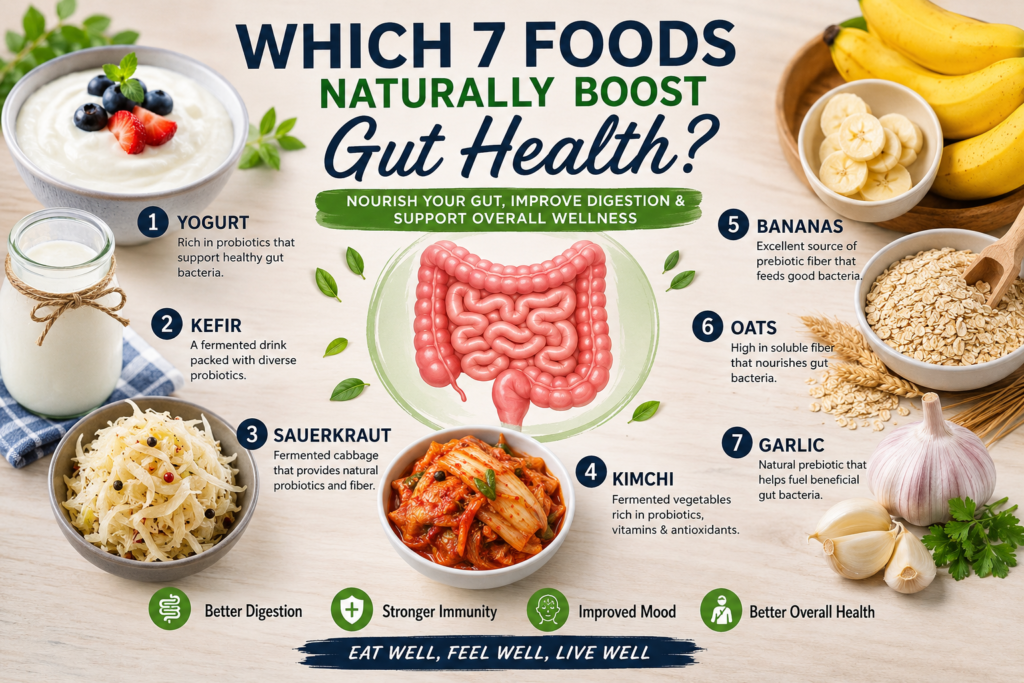
Gut Health Benefits,
Support Gut Health,
Green vs. Ripe Bananas,
Best Types of Oats,
Food #1: Yogurt
Why Yogurt Supports Gut Health
Yogurt is one of the best Foods Naturally Boost Gut Health. Yogurt is produced by fermenting milk with beneficial bacteria. It is one of the most popular probiotic foods worldwide.
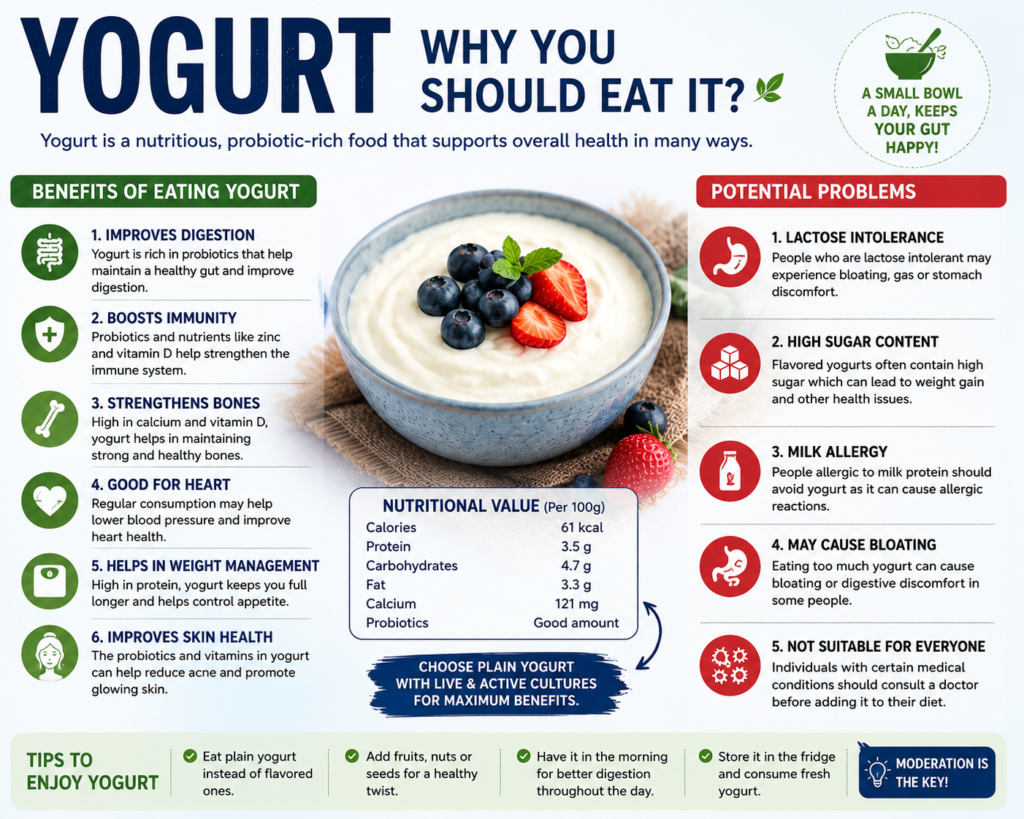
Nutritional Benefits
- Protein
- Calcium
- Vitamin B12
- Potassium
- Probiotics
Gut Health Benefits
- Supports digestion
- Helps restore beneficial bacteria
- May improve bowel regularity
- Supports immune function
Best Ways to Eat Yogurt
- Breakfast bowls
- Smoothies
- Healthy desserts
- Fruit parfaits
Choose
✓ Plain yogurt
✓ Unsweetened yogurt
✓ Products with live active cultures
Food #2: Kefir
What Is Kefir?
Kefir is one of the best Foods Naturally Boost Gut Health. Kefir is a fermented milk beverage rich in probiotics.
Unlike many yogurts, kefir often contains numerous strains of beneficial bacteria and yeast.
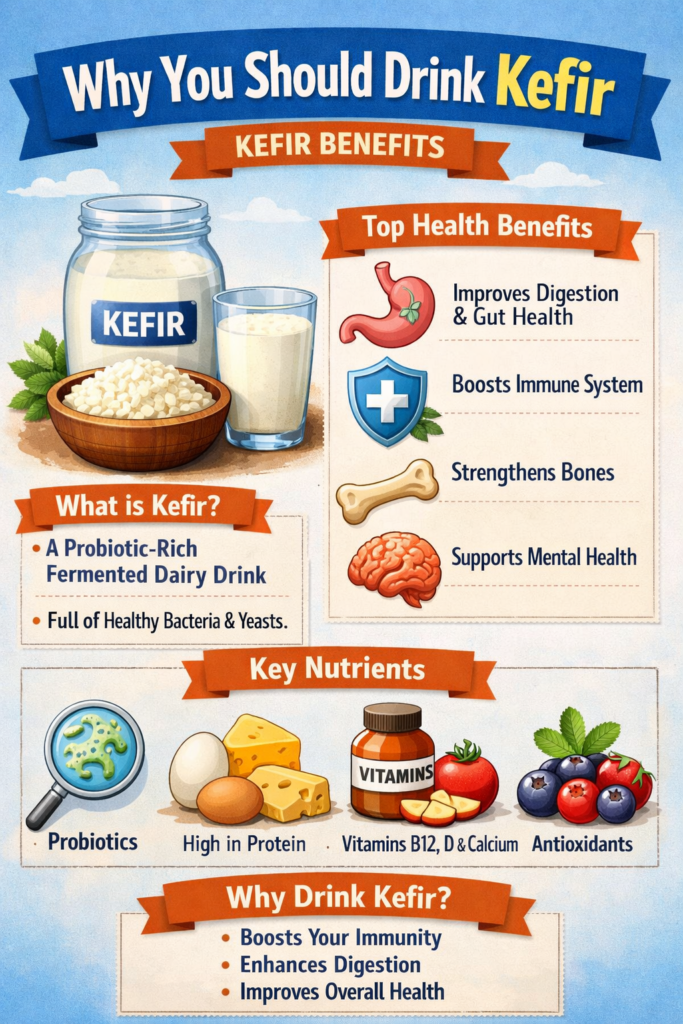
Nutritional Benefits
- Protein
- Calcium
- Magnesium
- Vitamin B12
- Probiotics
Gut Health Benefits
- Increases beneficial bacteria
- Improves microbial diversity
- Supports digestion
- May help maintain gut balance
Ways to Enjoy Kefir
- Drink plain
- Blend into smoothies
- Mix into overnight oats
Food #3: Sauerkraut
What Is Sauerkraut?
Sauerkraut is one of the best Foods Naturally Boost Gut Health. Sauerkraut is fermented cabbage created through natural fermentation.
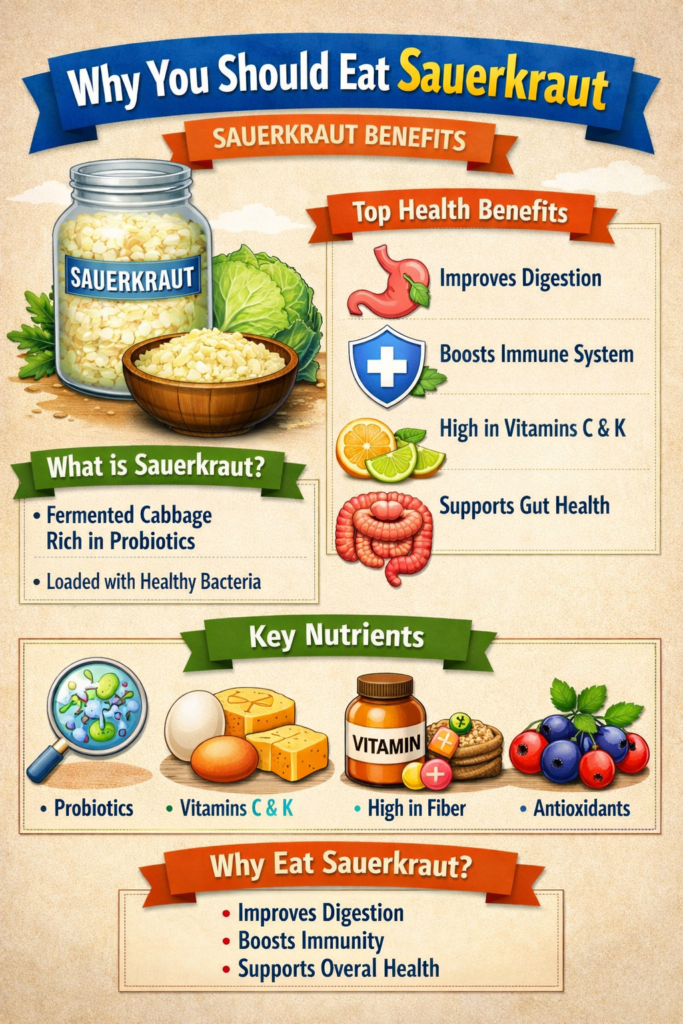
Nutritional Benefits
- Vitamin C
- Vitamin K
- Fiber
- Iron
- Probiotics
Gut Health Benefits
- Provides natural probiotics
- Supports digestion
- Encourages microbial diversity
- Supports immune health
How to Use Sauerkraut
- Salads
- Sandwiches
- Grain bowls
- Side dishes
Choose naturally fermented, refrigerated varieties whenever possible.
Food #4: Kimchi
What Is Kimchi?
Kimchi is one of the best Foods Naturally Boost Gut Health. Kimchi is a traditional fermented Korean dish made from vegetables and seasonings.
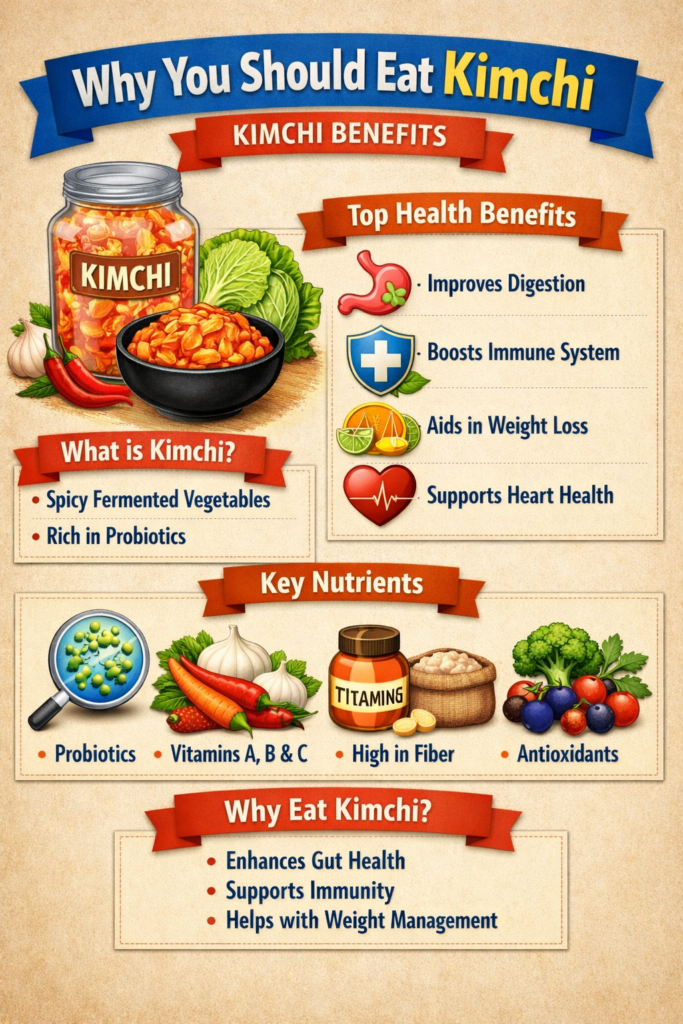
Nutritional Benefits
- Fiber
- Vitamin C
- Vitamin K
- Folate
- Antioxidants
- Probiotics
Gut Health Benefits
- Introduces beneficial bacteria
- Supports digestive wellness
- Promotes microbial diversity
- Provides antioxidant protection
Ways to Eat Kimchi
- Rice bowls
- Wraps
- Stir-fries
- Egg dishes
Food #5: Bananas
Why Bananas Support Gut Health
Bananas is one of the best Foods Naturally Boost Gut Health. Bananas are rich in prebiotic fiber and resistant starch.
Rather than adding bacteria directly, they help feed beneficial bacteria already living in the gut.
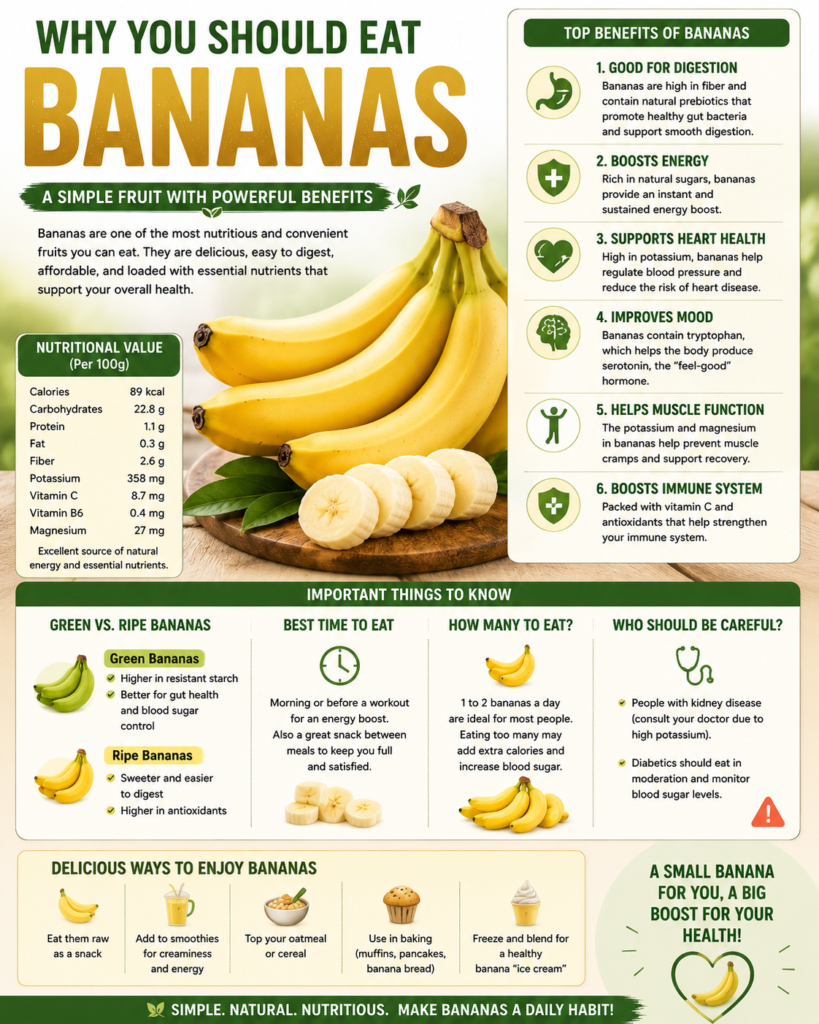
Nutritional Benefits
- Potassium
- Vitamin B6
- Vitamin C
- Fiber
Gut Health Benefits
- Nourishes good bacteria
- Supports bowel regularity
- Supports intestinal health
- Easy to digest
Green vs. Ripe Bananas
Green bananas contain more resistant starch and stronger prebiotic benefits.
Food #6: Oats
Why Oats Are Excellent for Gut Health
Oats is one of the best Foods Naturally Boost Gut Health. Oats are rich in beta-glucan, a powerful soluble fiber.
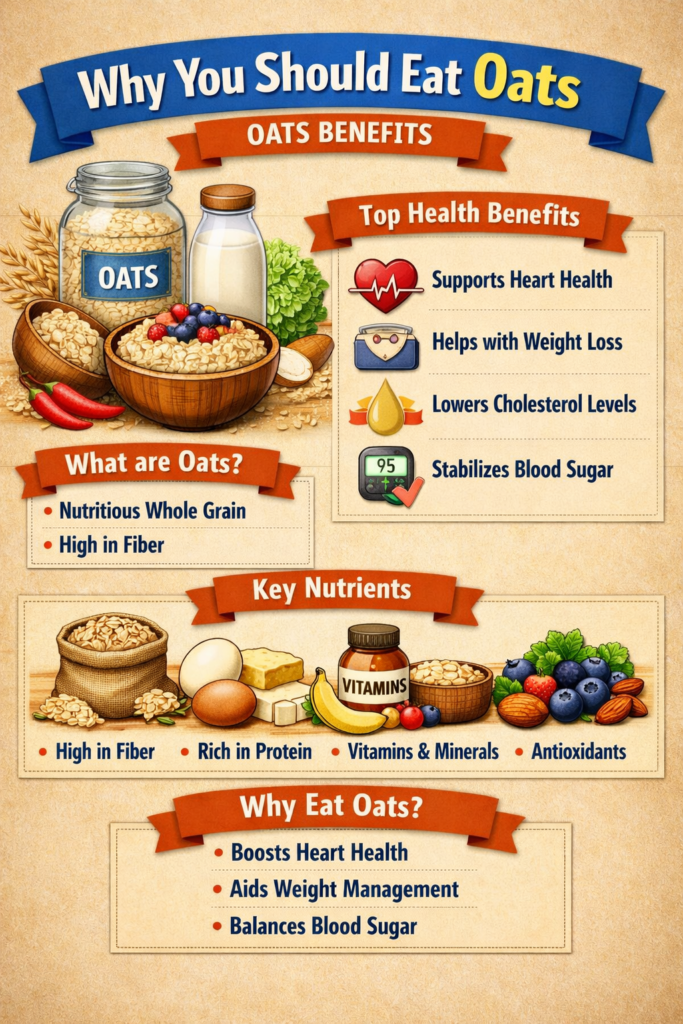
Nutritional Benefits
- Fiber
- Protein
- Magnesium
- Iron
- Zinc
Gut Health Benefits
- Feeds beneficial bacteria
- Supports bowel regularity
- Promotes production of short-chain fatty acids
- Supports intestinal barrier function
Best Types of Oats
Best types of oats mention in below.
- Steel-cut oats
- Rolled oats
- Old-fashioned oats
Limit heavily processed instant options with added sugar.
Food #7: Garlic
Why Garlic Is a Gut Health Superfood
Garlic is one of the best Foods Naturally Boost Gut Health. Garlic contains powerful prebiotic compounds such as inulin and fructooligosaccharides (FOS).
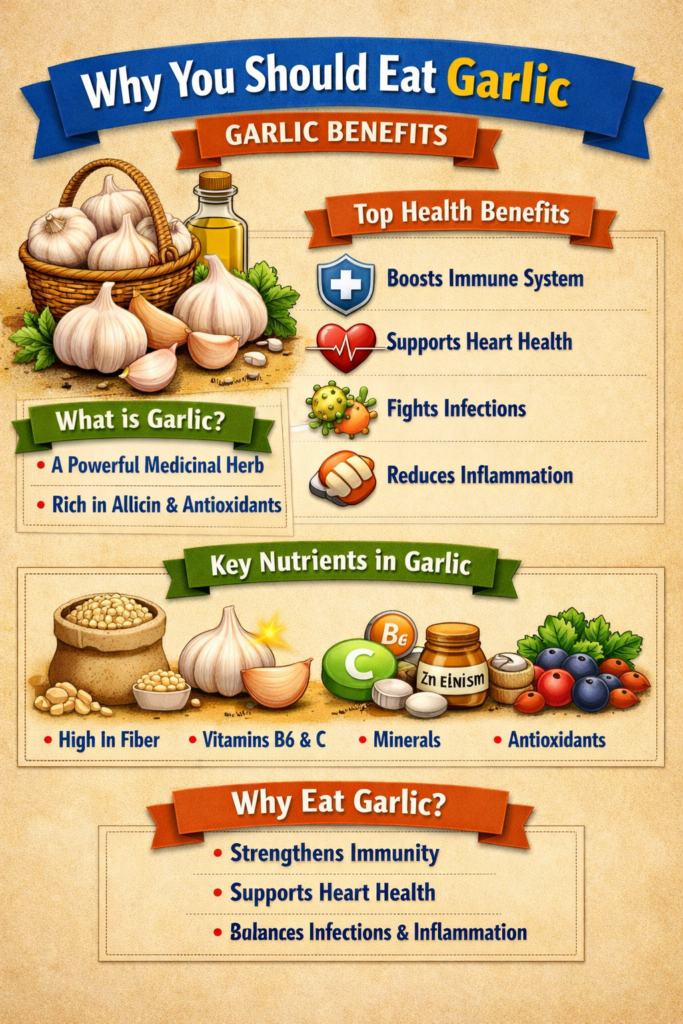
Nutritional Benefits
- Vitamin C
- Vitamin B6
- Selenium
- Manganese
- Antioxidants
Gut Health Benefits
- Feeds beneficial bacteria
- Supports microbial balance
- Supports immunity
- Provides antioxidant protection
Ways to Use Garlic
- Soups
- Pasta dishes
- Salads
- Roasted vegetables
- Homemade sauces
Comparing All 7 Gut-Healthy Foods
| Food | Probiotic | Prebiotic | Fiber | Main Benefit |
|---|---|---|---|---|
| Yogurt | Yes | No | Low | Adds beneficial bacteria |
| Kefir | Yes | No | Low | Diverse probiotics |
| Sauerkraut | Yes | Some | Moderate | Probiotics + nutrients |
| Kimchi | Yes | Some | Moderate | Fermented vegetables |
| Bananas | No | Yes | Moderate | Feeds good bacteria |
| Oats | No | Yes | High | Supports digestion |
| Garlic | No | Yes | Moderate | Strong prebiotic support |
Additional Habits That Support Gut Health
Eat More Fiber
Include:
- Fruits
- Vegetables
- Beans
- Lentils
- Whole grains
Stay Hydrated
Proper hydration supports digestion and bowel regularity.
Exercise Regularly
Physical activity may improve microbial diversity and digestive function.
Prioritize Sleep
Aim for 7–9 hours of quality sleep per night.
Manage Stress
Practice:
- Meditation
- Deep breathing
- Yoga
- Walking
Common Habits That May Harm Gut Health
Avoid excessive:
- Processed foods
- Added sugars
- Chronic stress
- Unnecessary antibiotic use
Also, increase dietary variety to support a diverse microbiome.
The Science Behind Gut Health
Researchers have discovered that the gut microbiome influences:
Immunity
Supports defense against harmful microbes.
Mental Health
Affects mood, stress response, and cognition.
Metabolism
May influence appetite and energy use.
Inflammation
Helps regulate inflammatory responses.
Nutrient Production
Produces beneficial compounds including vitamins and short-chain fatty acids.
Frequently Asked Questions
What is the fastest way to improve gut health naturally?
Combine probiotic foods, prebiotic foods, fiber, hydration, exercise, and quality sleep.
How long does it take to improve gut health?
Some people notice improvements within weeks, while larger changes may take months.
Are probiotics better than prebiotics?
Both are important. Probiotics add beneficial bacteria, while prebiotics feed them.
Can gut health affect immunity?
Yes. A healthy gut microbiome supports immune function.
Can poor gut health cause bloating?
Yes. Gut imbalance may contribute to bloating and digestive discomfort.
Which fruit is best for gut health?
Bananas, apples, berries, kiwi, and pears are excellent choices.
Is yogurt enough for gut health?
No. A healthy gut requires a balanced diet and healthy lifestyle habits.
Are fermented foods safe daily?
Most healthy individuals can safely consume fermented foods regularly.
What foods should I avoid for the best Foods Naturally Boost Gut Health?
Limit:
- Highly processed foods
- Sugary drinks
- Excess sugar
- Low-fiber diets
Final Thoughts
Gut health influences digestion, immunity, energy levels, metabolism, and overall wellness.
The seven foods discussed in this guide provide a powerful combination of probiotics, prebiotics, fiber, vitamins, minerals, and beneficial compounds that support a healthy digestive system.
The 7 Best Foods for Gut Health
- Yogurt
- Kefir
- Sauerkraut
- Kimchi
- Bananas
- Oats
- Garlic
Adding these foods to your routine can help create an environment where beneficial bacteria thrive.
Conclusion
A healthy gut is one of the foundations of long-term health.
By regularly consuming yogurt, kefir, sauerkraut, kimchi, bananas, oats, and garlic, you can naturally support digestion, microbial diversity, immune function, and overall wellness.
Small dietary improvements practiced consistently can have a meaningful impact on your gut microbiome and overall quality of life.
Start with one or two of these foods today and gradually build a gut-friendly eating pattern that supports your health for years to come.
Pingback: Healthy Breakfast, Lunch, and Dinner to Lose Weight
Pingback: 10 Amazing Top Health Benefits of ginger tea
Pingback: Foods That Fight Inflammation: The Best Anti-Inflammatory
Pingback: How can you gain weight in a healthy way? 15 Best foods to eat for Healthy weight gain?
Pingback: Habits That Strengthen Immunity: Simple Daily Practices
Pingback: Which is the best Healthy Snacks Under 100 Calories
Pingback: What Are the Top 7 Health Benefits of Garlic?
Pingback: Which Foods That Burn Fat Naturally and Support Healthy.
Pingback: 3 Weight loss Mistakes Slowing Down Your Weight Loss
Pingback: Morning Drink for Better Immunity: Benefits, Recipe & Daily Health Tips
Pingback: Signs Your Immune System Is Weak: 10 Warning Signs
Pingback: 5 Foods That Boost Immunity Naturally | Best Foods for a Strong Immune System
Pingback: 20-Minute Workout at Home for Beginners Without Equipment:
Pingback: Turmeric Daily Benefits: 10 Science Add Turmeric Your Diet
Pingback: Running vs Walking: Which Is Better for Fat Loss?
Pingback: Which Is the Best Breakfast for Weight Loss? A Complete Guide to Healthy Morning Meals
Pingback: Best Vitamin C Rich Foods for Strong Immunity
Pingback: How Does a Weak Immune System Affect Your Health?
Pingback: Daily Habits for Mental Wellness: 10 Simple Practices
Pingback: Protein-Rich Foods for Fat Loss: 15 Best High-Protein Foods
Pingback: Late Night Eating Facts: How Eating Before Bed Affects
Pingback: How to Lose Belly Fat Naturally: 5 Simple Exercises
Pingback: How Much Water Helps Weight Loss? 5 tips for Water Fat Loss.
Pingback: How Exercise Improves Mood: 8 Science-Backed Mental Health
Pingback: 25+ Age Fitness Secrets: SRK-Inspired Habits for a Health
Pingback: 20 Best High-Protein Vegetarian Protein Sources for Health
Pingback: Weight Loss Myths Busted: 15 Common Myths That Stopping
Pingback: 25 Healthy Snacks Under 100 Calories for Weight Loss and Healthy Living