
Table of Contents
Introduction
Let’s be honest—eating healthy can feel overwhelming. With so many diets, trends, and conflicting advice, it’s hard to know what actually works.
But here’s the good news: You don’t need a complicated plan. The foundation of good health comes down to a simple question—what foods should you eat daily for a healthy lifestyle?
The answer is simpler than you think.
According to the World Health Organization (WHO), consuming a healthy diet throughout life helps prevent malnutrition and reduces the risk of noncommunicable diseases like heart disease, diabetes, and cancer. Yet, only about two-in-ten Americans describe their diets as extremely or very healthy. That means 80% of people know they could be doing better.

The good news? Small, daily changes add up quickly. This guide reveals the 15 best foods you should eat daily—backed by science, recommended by top health organizations, and easy to incorporate into your routine.
Whether you’re looking to boost energy, improve digestion, or simply feel better in your own skin, these everyday foods are your starting point.
Why Daily Food Choices Matter More Than You Think
Your body is constantly rebuilding itself. Every cell, tissue, and organ relies on the nutrients you provide through food. What you eat today affects how you feel tomorrow—and decades from now.
The numbers tell a powerful story:
- 73% of adults and 36% of children in the U.S. are affected by overweight or obesity
- 38% of adolescents have prediabetes
- Noncommunicable diseases cause over 80% of all deaths in the WHO European Region
- Cardiovascular diseases alone cause over 42.5% of all deaths annually in Europe—that’s 10,000 deaths per day

These aren’t just statistics. They’re a wake-up call.
But here’s what gives me hope: diet is the single most powerful tool you have to change these numbers. The WHO recommends eating at least 400 grams (5 portions) of fruits and vegetables every day. Yet most people fall short.
The foods you choose daily aren’t just about weight management. They affect your:
- Energy levels throughout the day
- Mental clarity and focus
- Digestive health and gut microbiome
- Immune system strength
- Long-term disease risk
When you consistently eat the right foods, you’re not just feeding yourself—you’re investing in your future health.
The 15 Best Foods You Should Eat Daily

1. Leafy Green Vegetables
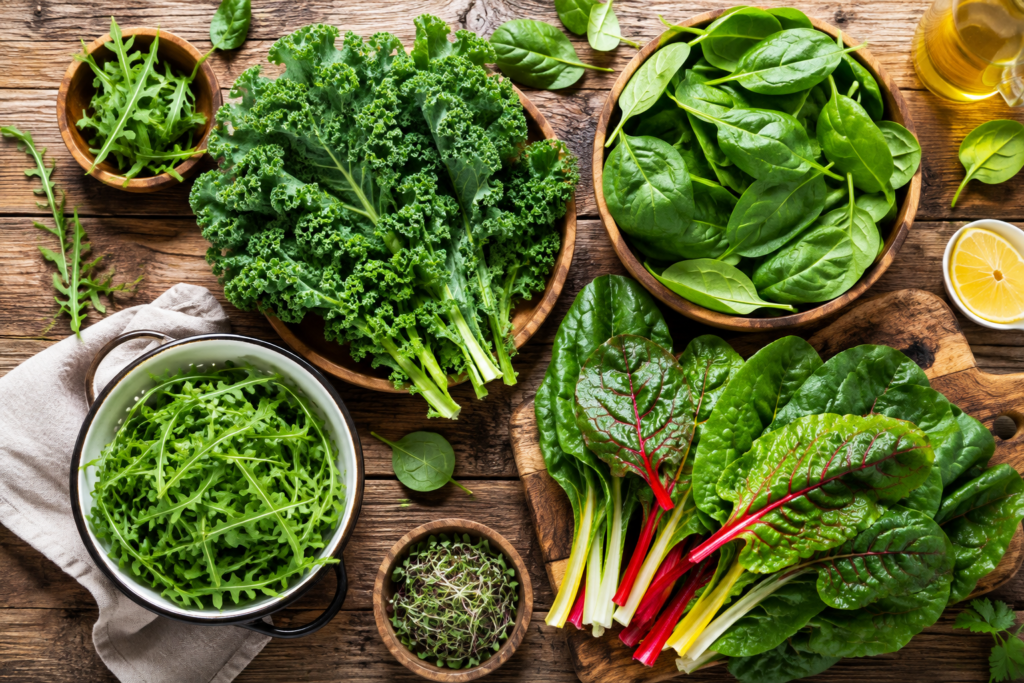
Spinach, kale, Swiss chard, collard greens, and arugula belong at the top of any list of foods you should eat daily for a healthy lifestyle.
These greens are nutritional powerhouses packed with vitamins A, C, and K, fiber, magnesium, zinc, iron, and calcium. They contain special plant compounds called phytochemicals—including antioxidants, carotenoids, and flavonoids—that offer significant health benefits.
Why eat them daily:
- High in carotenoids that may help protect against certain cancers
- Support heart health and bone strength
- Promote healthy digestion through fiber content
How to add them:
- Toss a handful of spinach into your morning smoothie
- Use kale as a base for salads
- Sauté Swiss chard with garlic as a side dish
2. Berries
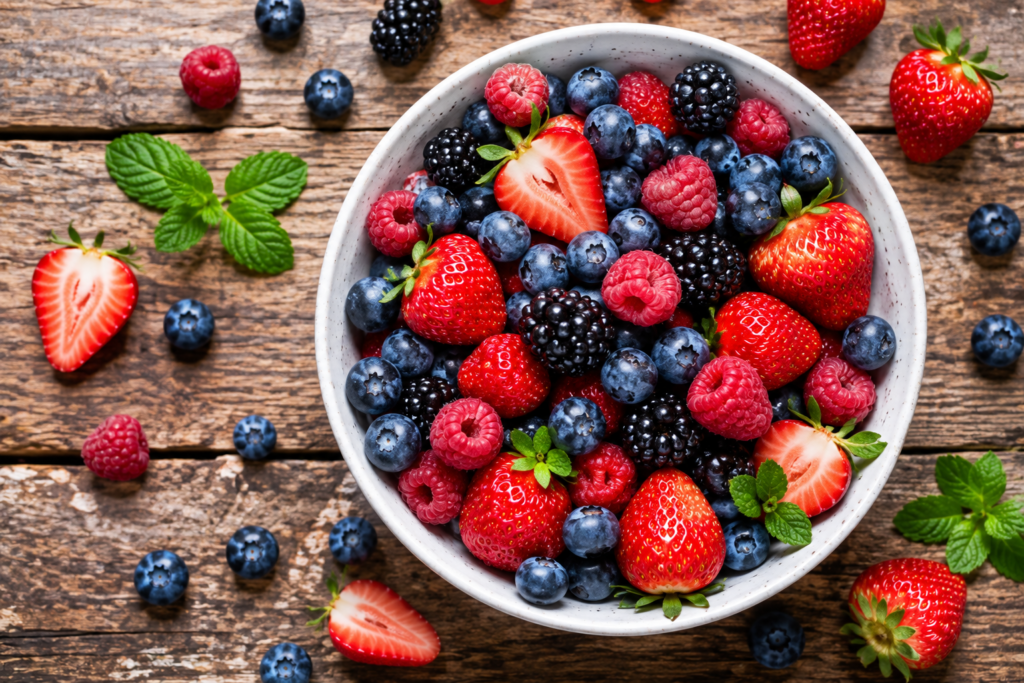
Blueberries, strawberries, raspberries, and blackberries are among the most antioxidant-rich foods on the planet.
Berries are loaded with vitamins, minerals, and plant compounds that support overall wellness. Their deep colors come from anthocyanins—powerful antioxidants that fight inflammation and oxidative stress.
Why eat them daily:
- Support brain health and memory
- Reduce inflammation throughout the body
- Provide fiber for digestive health
How to add them:
- Add to oatmeal or yogurt
- Blend into smoothies
- Eat as a sweet, healthy snack
3. Nuts and Seeds
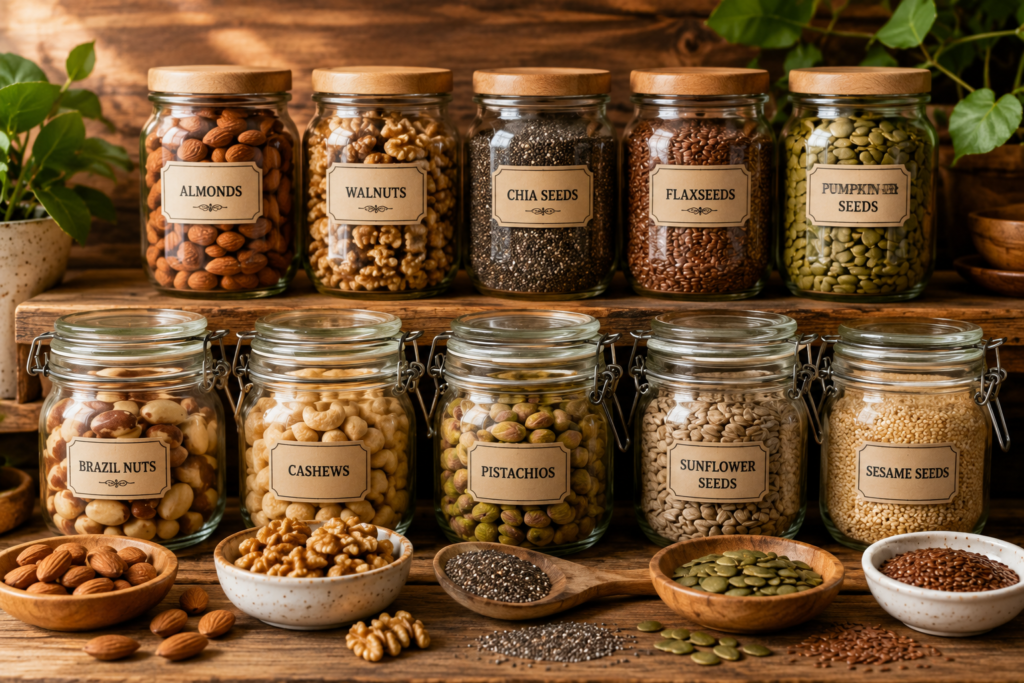
Almonds, walnuts, flaxseeds, chia seeds, and pumpkin seeds are tiny nutritional giants.
These foods are full of healthy fats, fiber, magnesium, and omega-3s. The EAT-Lancet Commission recommends consuming tree nuts and peanuts at about 50 grams per day.
Why eat them daily:
- Protect heart health and reduce inflammation
- Support brain function
- Provide sustained energy
How to add them:
- Sprinkle chia seeds on yogurt
- Snack on a handful of almonds
- Add ground flaxseed to smoothies
4. Fatty Fish
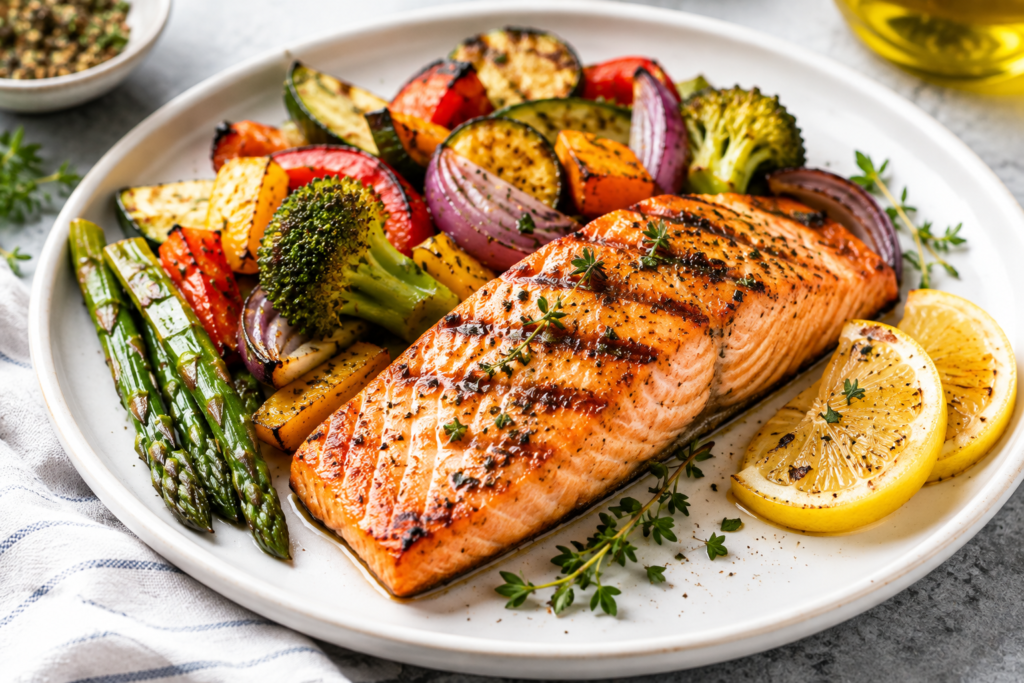
Salmon, mackerel, sardines, and trout are rich in omega-3 fatty acids—essential fats your body can’t produce on its own.
The Mediterranean diet, consistently ranked as one of the healthiest eating patterns, includes fish at least twice a week. The WHO recommends replacing saturated fats with polyunsaturated fats found in fish.
Why eat them daily (or several times weekly):
- Support heart and brain health
- Reduce inflammation
- Provide high-quality protein
How to add them:
- Grill salmon for dinner
- Add sardines to salads
- Try mackerel on whole-grain toast
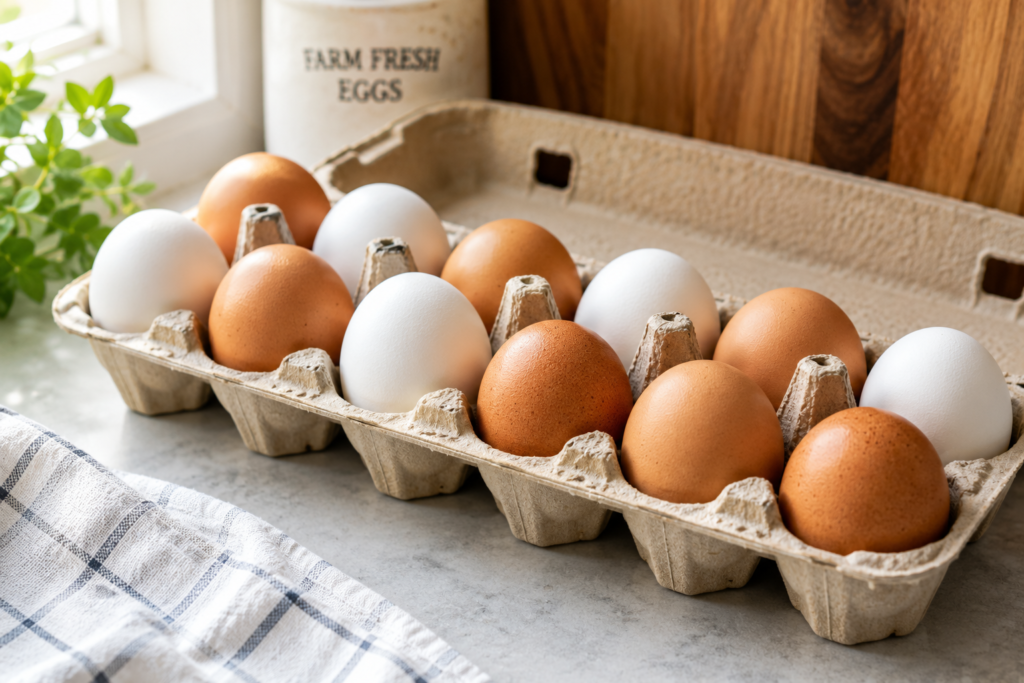
5. Eggs
Eggs are one of the most nutrient-dense foods on earth. Despite past concerns about cholesterol, research now shows eggs are a healthy choice for most people.
The updated Dietary Guidelines for Americans emphasize protein-rich foods, and eggs fit perfectly into this recommendation.
Why eat them daily:
- Excellent source of high-quality protein
- Rich in choline for brain health
- Contain essential vitamins and minerals
How to add them:
- Enjoy scrambled eggs for breakfast
- Add hard-boiled eggs to salads
- Make omelets with vegetables
6. Whole Grains
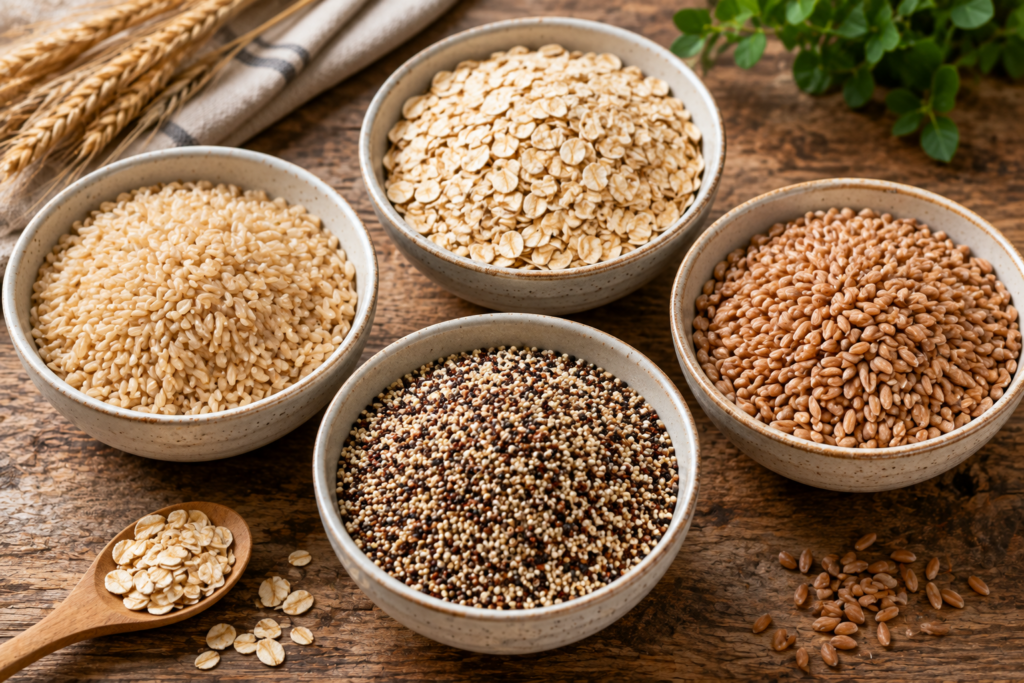
Oats, quinoa, brown rice, farro, and whole wheat should replace refined grains whenever possible.
The updated 2025–2030 Dietary Guidelines recommend two to four servings of whole grains per day. This is a significant shift from previous recommendations of six to 11 servings, emphasizing quality over quantity.
Why eat them daily:
- Provide sustained energy
- Rich in fiber for digestive health
- Support heart health
How to add them:
- Start your day with oatmeal
- Use quinoa as a rice alternative
- Choose whole-grain bread
7. Legumes
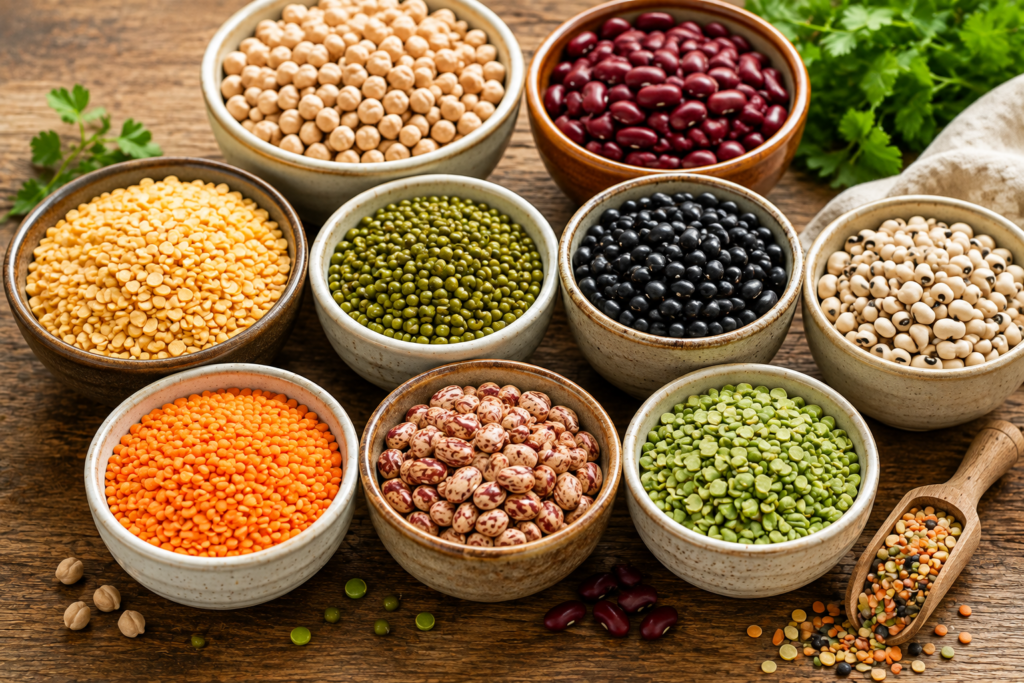
Lentils, chickpeas, black beans, and peas are plant-based protein powerhouses.
The 2025 Dietary Guidelines Advisory Committee specifically recommended replacing red and processed meats with beans, peas, and lentils. Eating beans, peas, and lentils was consistently related to health benefits.
Why eat them daily:
- Excellent plant-based protein source
- High in fiber for digestive health
- Support heart health and blood sugar control
How to add them:
- Add lentils to soups and stews
- Make chickpea salads
- Use black beans in tacos
8. Yogurt
Plain, unsweetened yogurt (especially Greek yogurt) is rich in protein, calcium, and probiotics.
The Mediterranean diet includes dairy foods like yogurt and cheese in smaller amounts. Yogurt supports gut health through beneficial bacteria.
Why eat it daily:
- Supports digestive health through probiotics
- Provides calcium for bone health
- High in protein for satiety
How to add it:
- Enjoy with berries and nuts
- Use as a base for smoothies
- Top with granola

9. Olive Oil
Extra virgin olive oil is the cornerstone of the Mediterranean diet and one of the healthiest fats you can consume.
The Mediterranean diet recommends extra virgin olive oil daily. It’s rich in monounsaturated fats and antioxidants that reduce inflammation.
Why eat it daily:
- Supports heart health
- Reduces inflammation
- Provides healthy monounsaturated fats
How to add it:
- Use as a salad dressing base
- Drizzle over roasted vegetables
- Cook with it at low to medium heat

10. Avocados
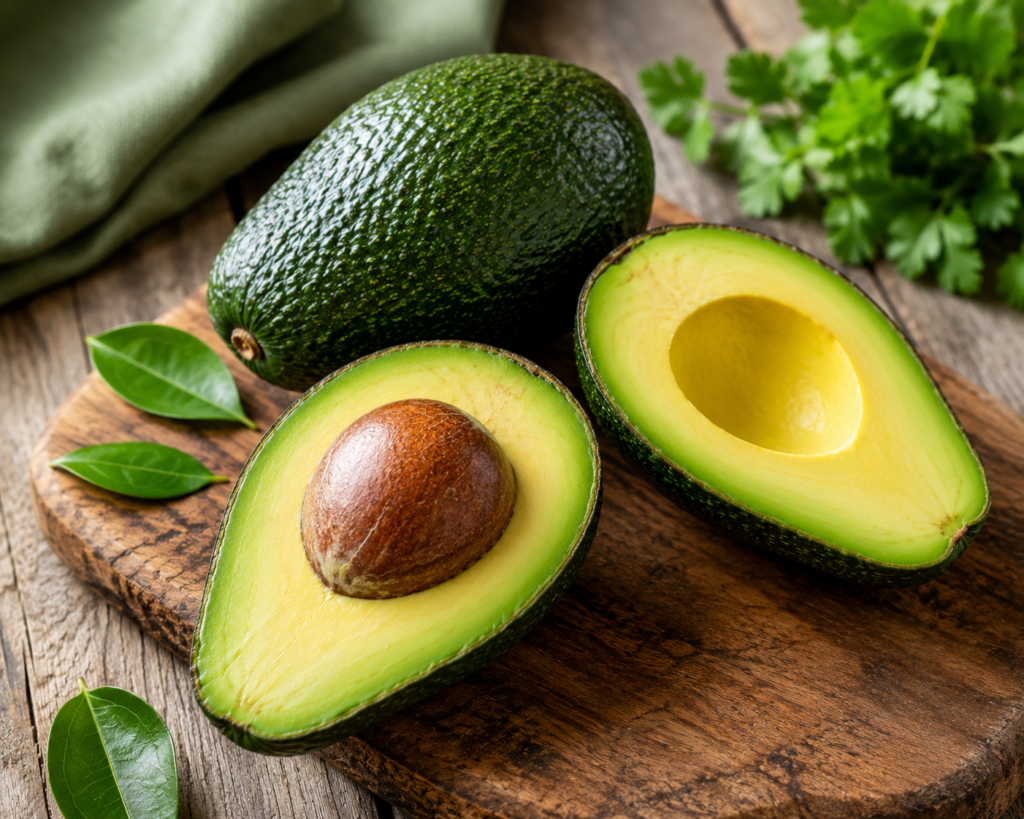
Avocados are unique among fruits—they’re packed with healthy fats rather than carbohydrates.
Superfoods like avocados contain health-boosting nutrients such as vitamins, minerals, and healthy fats. The WHO recommends replacing saturated fats with unsaturated fats found in avocados.
Why eat them daily:
- Support heart health through healthy fats
- Provide fiber for digestion
- Rich in potassium
How to add them:
- Add to salads or toast
- Make guacamole
- Blend into smoothies
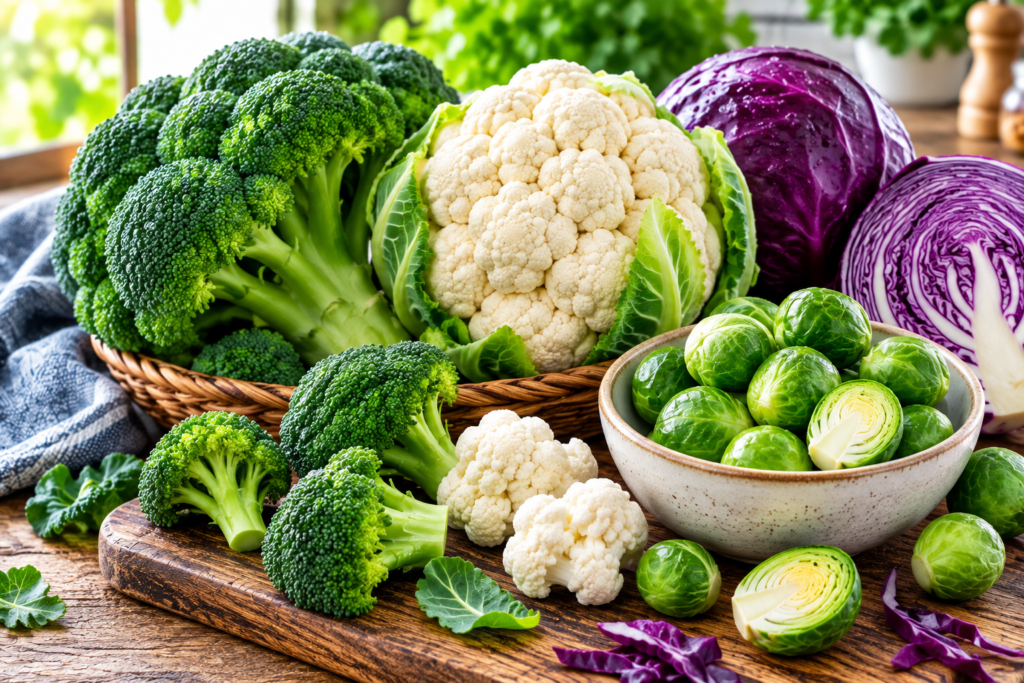
11. Cruciferous Vegetables
Broccoli, cauliflower, Brussels sprouts, and cabbage belong to the cruciferous family—and they’re among the most protective foods you can eat.
Broccoli contains fiber, vitamin C, vitamin K, iron, and potassium. Antioxidants in broccoli may help reduce inflammation. Cruciferous vegetables contain health-boosting nutrients.
Why eat them daily:
- May help reduce cancer risk
- Support immune function
- Provide fiber and essential vitamins
How to add them:
- Roast broccoli with olive oil
- Make cauliflower rice
- Add cabbage to stir-fries
12. Garlic
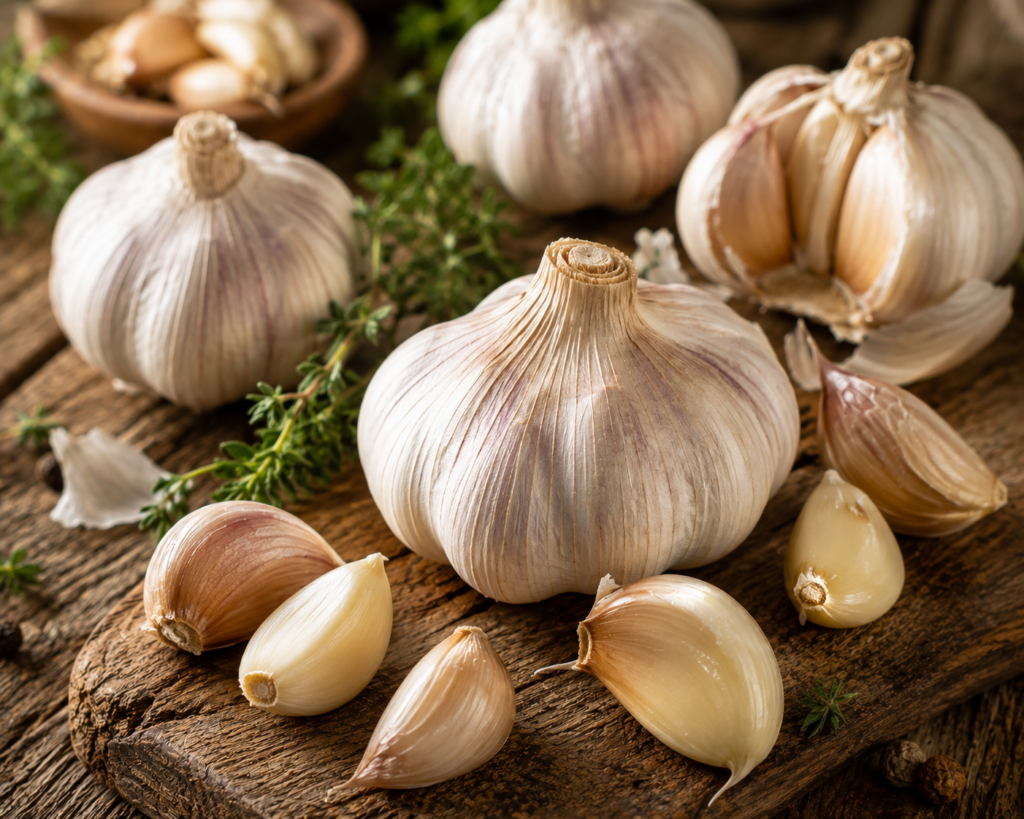
Garlic is more than a flavor enhancer—it’s a medicinal food with powerful health benefits.
Garlic has strong evidence suggesting it can improve cardiovascular health by reducing blood pressure and improving cholesterol profiles. It also provides antioxidant benefits by supporting glutathione activity.
Why eat it daily:
- Supports heart health
- Provides antioxidant benefits
- May boost immune function
How to add it:
- Add to savory dishes
- Roast whole cloves
- Use in salad dressings
13. Sweet Potatoes
Sweet potatoes are rich in beta-carotene, fiber, and essential vitamins.
They’re often listed among superfoods for their nutrient density. Their orange color indicates high levels of beta-carotene, which your body converts to vitamin A.
Why eat them daily:
- Excellent source of vitamin A
- Provide fiber for digestion
- Support immune function
How to add them:
- Roast as a side dish
- Make sweet potato fries
- Add to soups and stews

14. Tomatoes
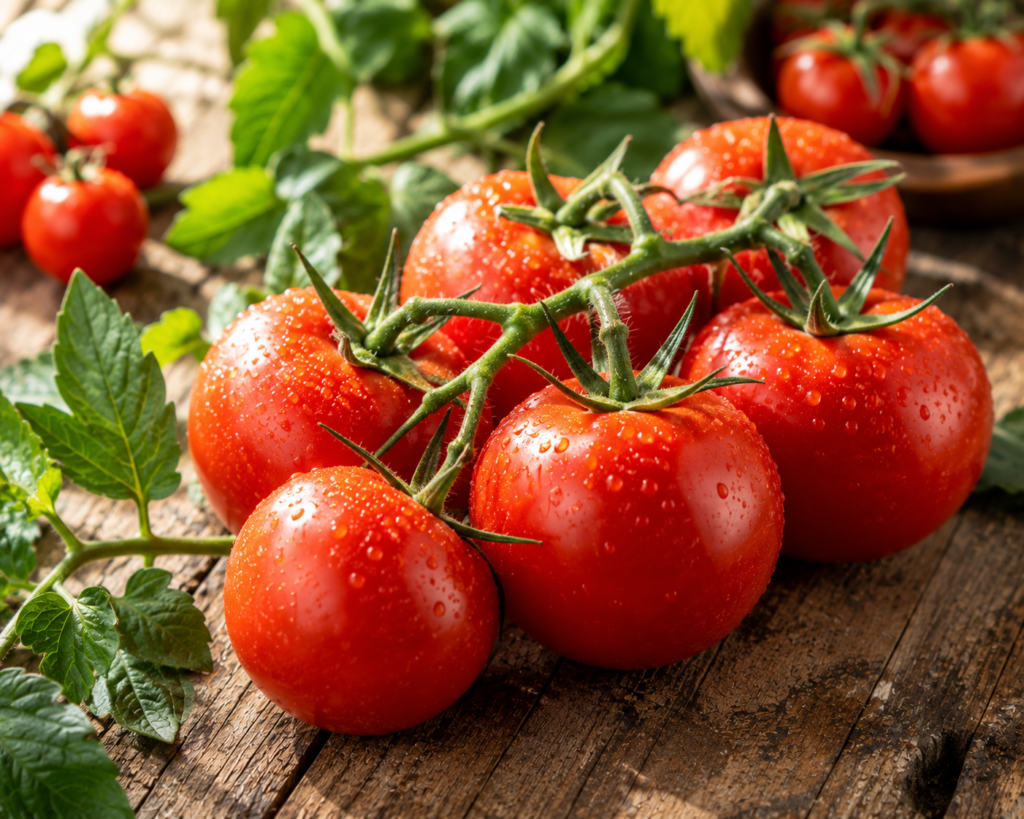
Tomatoes are rich in lycopene, a powerful antioxidant linked to reduced risk of certain cancers.
Whether fresh or cooked, tomatoes provide essential nutrients. Cooking actually increases the availability of lycopene.
Why eat them daily:
- Rich in antioxidants
- Support heart health
- Provide vitamin C and potassium
How to add them:
- Add to salads and sandwiches
- Make tomato sauce
- Roast with olive oil and herbs
15. Green Tea
Green tea is one of the healthiest beverages you can drink daily.
Rich in catechins—powerful antioxidants—green tea supports metabolism, brain function, and heart health.
Why drink it daily:
- Rich in antioxidants
- Supports metabolism
- May reduce disease risk
How to add it:
- Brew a cup in the morning
- Drink iced green tea
- Use matcha powder in smoothies

How to Build Your Daily Plate (Harvard Model)
The Harvard Healthy Eating Plate provides a simple visual guide for what your daily meals should look like:
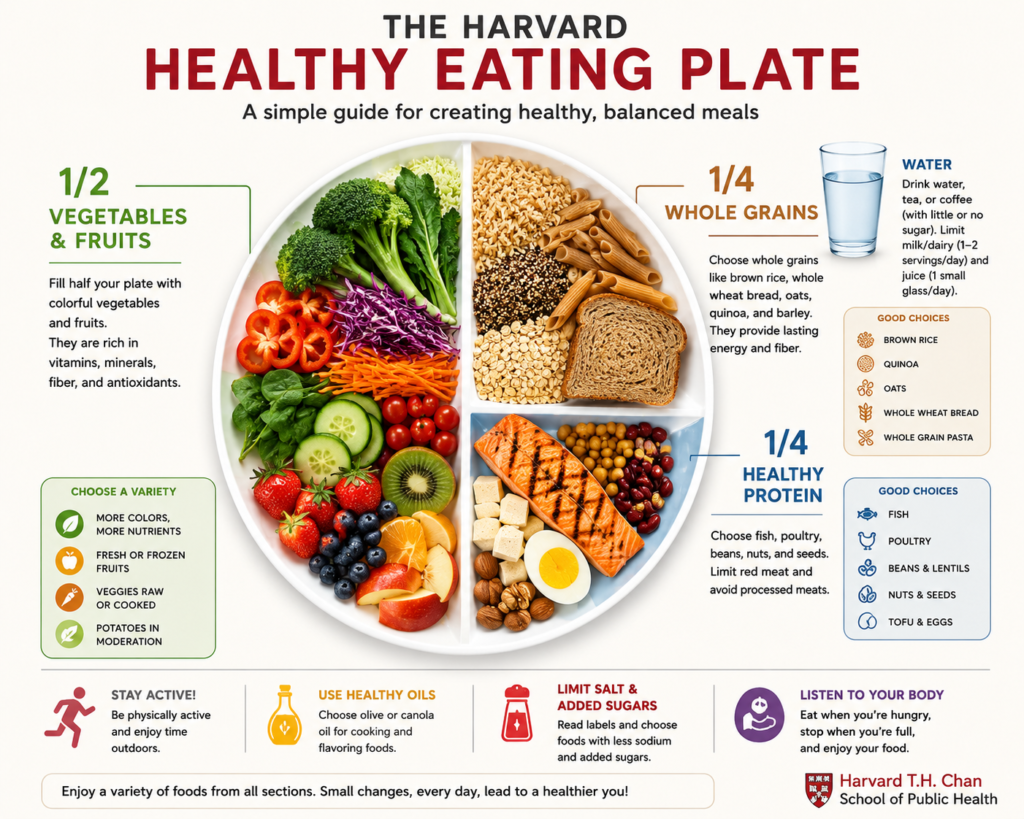
The Plate Breakdown:
| Section of Plate | What Goes There | Examples |
|---|---|---|
| ½ of your plate | Vegetables and fruits | Leafy greens, berries, tomatoes, sweet potatoes |
| ¼ of your plate | Whole grains | Oats, quinoa, brown rice, whole wheat |
| ¼ of your plate | Healthy protein | Fish, poultry, beans, nuts, eggs |

This model emphasizes variety and quality over quantity. The key principles:
- Make half your meal vegetables and fruits—go for variety
- Choose whole grains whenever you can—limit refined grains
- Pick the healthiest protein sources—fish, poultry, beans, and nuts
- Cut back on red meat—avoid processed meats
- Use healthy oils like olive oil
Comparison Table: Daily Serving Guide
Here’s a quick reference for how much of each food group you should aim for daily:
| Food Group | Daily Servings | Examples | Serving Size |
|---|---|---|---|
| Vegetables | 5+ servings | Leafy greens, broccoli, tomatoes | 1 cup raw or cooked |
| Fruits | 2-3 servings | Berries, apples, oranges | 1 medium fruit or ½ cup |
| Whole Grains | 2-4 servings | Oats, quinoa, brown rice | ½ cup cooked |
| Protein | 4-5 servings | Fish, eggs, legumes, nuts | 3 oz meat or ½ cup beans |
| Dairy | 2-3 servings | Yogurt, milk, cheese | 1 cup milk or yogurt |
| Healthy Fats | Daily | Olive oil, avocados, nuts | 1-2 tablespoons |
Note: These are general guidelines. Your individual needs may vary based on age, sex, and activity level.
Health Benefits of Eating These Foods Daily
When you consistently eat the foods listed above, you can expect to see improvements in several areas:

1. Heart Health
The WHO recommends replacing saturated and trans fats with polyunsaturated fats found in fish, avocado, and nuts. These foods support healthy cholesterol levels and blood pressure.
2. Weight Management
High-fiber foods like vegetables, whole grains, and legumes keep you fuller longer. The Planetary Health Diet emphasizes plant-based foods at the center of your plate.
3. Brain Function
Omega-3s from fatty fish and antioxidants from berries support cognitive health and may reduce the risk of neurodegenerative diseases.
4. Digestive Health
Fiber from whole grains, legumes, and vegetables supports a healthy gut microbiome.
5. Reduced Disease Risk
Following a diet rich in fruits, vegetables, legumes, nuts, and whole grains is associated with 15 million lives saved annually through reduced chronic disease risk.
6. Better Energy Levels
Whole grains and healthy proteins provide sustained energy throughout the day, avoiding the crashes associated with refined carbohydrates and added sugars.
Common Mistakes to Avoid

1. Skipping Vegetables at Breakfast
Most people eat vegetables only at lunch and dinner. Add spinach to your morning smoothie or eggs for an early nutrient boost.
2. Choosing Refined Over Whole Grains
White bread, white rice, and refined pasta lack the fiber and nutrients of their whole-grain counterparts. Choose whole grains whenever possible.
3. Forgetting Healthy Fats
Many people still fear fat. But healthy fats from olive oil, avocados, and nuts are essential for health.
4. Relying on Processed “Health” Foods
Not everything labeled “healthy” actually is. The USDA guidelines emphasize whole, nutrient-dense foods over highly processed options.
5. Not Eating Enough Protein
The updated guidelines recommend 1.2 to 1.6 grams of protein per kilogram of body weight daily. Many people fall short.
6. Drinking Your Calories
Sugary drinks, fruit juices, and sweetened beverages add empty calories. WHO recommends limiting free sugar to less than 10% of daily energy.
7. Eating the Same Foods Daily
Variety is key. Eating a wide variety of vegetables and fruits ensures you get a broad range of nutrients.
Expert Tips from Nutritionists

1. Start with One Change
Don’t try to overhaul your entire diet overnight. Pick one food from this list and add it to your daily routine this week.
2. Think Color, Not Calories
The more colors on your plate, the more nutrients you’re getting. Aim for a rainbow of fruits and vegetables daily.
3. Plan Your Meals
Meal planning helps you make intentional choices rather than reaching for convenience foods. Set aside 30 minutes each week to plan.
4. Listen to Your Body
Pay attention to how different foods make you feel. Energy, digestion, and mood are all signals from your body about what’s working.
5. Make Vegetables the Star
The Planetary Health Diet recommends putting plant-based foods at the center of your plate and using meat as a side dish or garnish.
6. Stay Hydrated
Don’t forget water! Proper hydration supports every bodily function.
7. Be Patient with Yourself
Building new habits takes time. Progress, not perfection, is the goal.
Frequently Asked Questions
1. What are the top 5 foods you should eat daily?
The top 5 are leafy greens, berries, nuts and seeds, fatty fish, and whole grains. These provide the most nutrient density and health benefits per serving.
2. Can I eat these foods every day even if I have dietary restrictions?
Yes! Most of these foods are naturally gluten-free, dairy-free, or easily adaptable. Choose options that work for your specific needs.
3. How much of each food should I eat daily?
Refer to the Daily Serving Guide above. Your individual needs depend on age, sex, and activity level.
4. Is it expensive to eat healthy daily?
While 69% of Americans say rising food costs make it harder to eat healthy,many healthy foods—like beans, oats, and seasonal produce—are affordable. Focus on whole foods over processed alternatives.
5. Can I eat eggs every day?
Yes. For most people, eating eggs daily is healthy and provides high-quality protein and essential nutrients.
6. What if I don’t like fish?
You can get omega-3s from plant sources like flaxseeds, chia seeds, and walnuts. Consider an algae-based omega-3 supplement if needed.
7. How do I add more vegetables to my diet?
Start by adding one extra serving at lunch and dinner. Try smoothies, soups, salads, and stir-fries as easy ways to increase intake.
8. Is yogurt with fruit healthy?
Plain yogurt with fresh fruit is healthy. Avoid yogurts with added sugars—check the label for “plain” or “unsweetened.”
9. How much water should I drink daily?
Aim for about 8 cups (2 liters) daily, but individual needs vary based on activity level and climate.
10. Can I eat too many nuts?
Nuts are calorie-dense. Stick to about 50 grams per day (a small handful).
11. Is olive oil safe for cooking?
Yes, but use low to medium heat. Extra virgin olive oil has a lower smoke point than refined oils.
12. What’s the best time to eat these foods?
Spread them throughout the day. Aim to include protein, fiber, and healthy fats at every meal for sustained energy.
13. Can children eat these foods daily?
Yes, with appropriate portion sizes. The WHO recommends 250–350 grams of fruits and vegetables daily for younger children.
14. How long before I see results from eating healthy daily?
You may notice improved energy within days. Long-term health benefits accumulate over weeks and months of consistent eating.
15. Do I need supplements if I eat these foods daily?
Most people can get all necessary nutrients from a varied, whole-food diet. Consult your healthcare provider for personalized advice.
Key Takeaways
- ✅ Eat at least 5 portions (400g) of fruits and vegetables daily
- ✅ Include leafy greens, berries, nuts, and whole grains in your daily rotation
- ✅ Choose healthy proteins like fish, eggs, and legumes over processed meats
- ✅ Use olive oil and avocados for healthy fats
- ✅ Limit added sugars to less than 10% of daily calories
- ✅ Reduce salt intake to under 5g per day
- ✅ Make half your plate vegetables and fruits
- ✅ Choose whole grains over refined grains
- ✅ Stay consistent—daily habits matter most
- ✅ Variety is key to getting all essential nutrients
Conclusion
So, what foods should you eat daily for a healthy lifestyle? The answer is simpler than you might think.
Leafy greens, berries, nuts, fatty fish, eggs, whole grains, legumes, yogurt, olive oil, avocados, cruciferous vegetables, garlic, sweet potatoes, tomatoes, and green tea form the foundation of a truly healthy daily diet.
These foods aren’t expensive or hard to find. They’re not trendy or complicated. They’re real, whole foods that have been nourishing humans for generations.
The evidence is clear: what you eat every day matters more than what you eat occasionally. Small, consistent choices add up to big results.
Start today. Pick one food from this list and add it to your daily routine. Next week, add another. Before you know it, you’ll have built a foundation of healthy eating that supports your body for life.
Your health is your greatest wealth. Feed it well.
Pingback: Best Foods For High Iron: Top 25 Iron-Rich Foods List
Pingback: Which Is the Most Common Mistake to Start a Beginner Workout? 15 Beginner Workout Mistakes You Must Avoid
Pingback: Why You Need Healthy Fats: Bats 9 Foods Benefits, Sources, Myths & How to Add Them
Pingback: Best High Fiber Foods: Top 25 Foods Rich in Fiber for Better Health
Pingback: 15 Best Foods That Help Anxiety Naturally
Pingback: Can Walking 10000 Steps a Day Really Change Your Health?
Pingback: 25 Healthy Snacks Under 100 Calories for Weight Loss and Healthy Living
Pingback: Chandipura Virus in Gujarat: Symptoms & Prevention Guide
Pingback: 15 Stretching Before Bed Benefits for Better Sleep & Health
Pingback: Top 15 Omega-3 Benefits for Heart, Brain & Overall Health
Pingback: Healthy Carbs vs Bad Carbs: Key Differences, Best Foods
Pingback: Best High Protein Foods: Top 25 Protein-Rich Foods
Pingback: 10-Minute Morning Workout to Wake Up Your Body
Pingback: Ketogenic Diet: Keto Foods, Benefits, Risks & Meal Plan